Mild or moderate allergic reactions can happen after your baby touches swallows tastes eats or breathes in something theyre allergic to. Though rare sometimes symptoms can be severe and are called anaphylaxis and can be life-threatening.
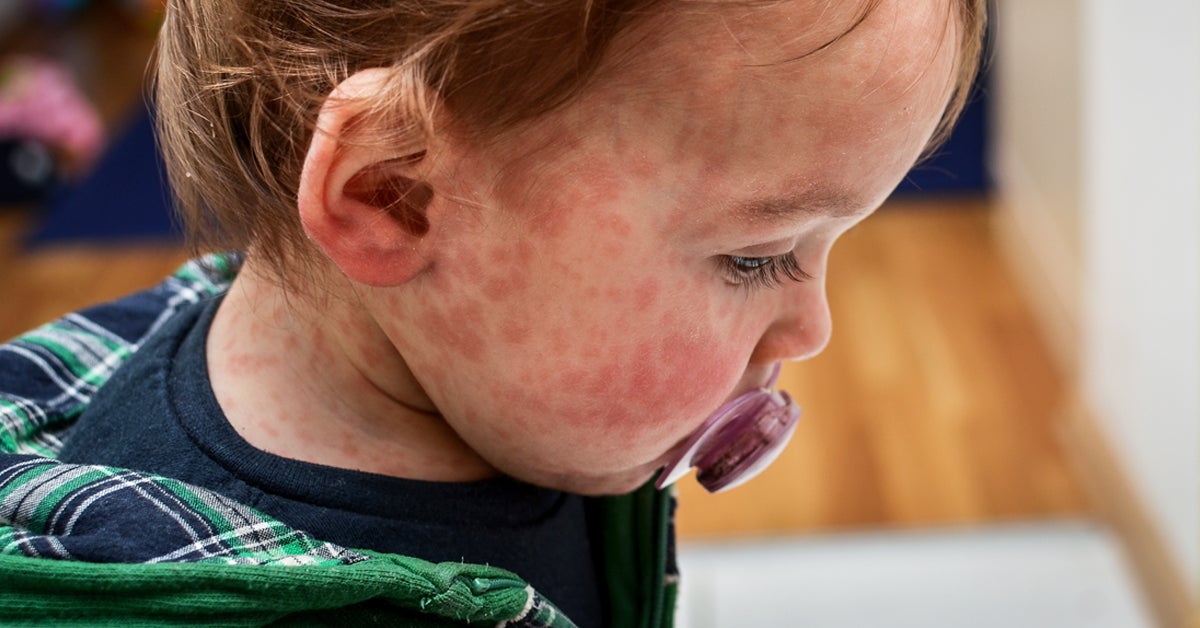
Baby Allergic Reaction To Food Signs And Symptoms
Symptoms of an immediate food allergy are usually mild to moderate.

Signs your child is allergic to food. Severe symptoms require immediate medical attention. Another symptom of a food allergy is your child having stomach problems every time they eat a certain food. If your baby is severely allergic symptoms usually develop right away.
If a child develops a sore or itchy throat vomiting diarrhea hives or trouble breathing within 30 to 60 minutes of eating it could be a food. Congestion runny nose cough. You can also get more advice here or talk to your doctor.
Symptoms of an immediate food allergy. If your child experiences any of these signs when eating speak to your pediatrician. If your child vomits every time they have strawberries for instance that could indicate a food allergy or food intolerance.
Most children with food allergies have mild reactions. Itchy throat and tongue. Wheezing and shortness of breath.
What Are Signs That My Child Has a Food Allergy. At that time when IgE antibodies react with the food. The signs of an allergic reaction that parents should look our for can be seen below.
More mild symptoms of food allergies include sneezing coughing eczema diarrhea and an itchy mouth. Before having a food allergy reaction a sensitive child must have been exposed to the food at least once before or could also be sensitized through breast milk. Itchy skin or rash.
What Are the Symptoms of Food Allergy in Babies and Children. Because children with food allergies are more likely to develop asthma and other allergies it is important to have your child tested for allergies if he experiences a reaction to a certain food. Symptoms of a mild allergic reaction to food include.
Any sort of nausea or vomiting diarrhea or abdominal pain are all red flags. Runny or blocked nose. If any signs or symptoms of a food allergy occur consult with your childs doctor for evaluation as soon as possible.
Tingling or itchiness of the. Mild to moderate symptoms typically affect the skin the respiratory system and the gut. It is the second time your child eats the food that the allergic symptoms happen.
Signs of baby food allergies. Occasionally foods can cause a severe allergic reaction. Avoid foods if youre not sure whether they contain the food your child is allergic to.
If your baby has an allergic reaction to something he eats symptoms may appear within minutes or develop hours later. The most common food allergy signs and symptoms include. An allergist or immunologist can examine your child and order a skin or blood test to determine whether the reaction is a food allergy a food intolerance or something unrelated.
Swollen lips and throat. Mild to moderate reactions In babies and young children the two most common signs of a food allergy reaction are. How you can tell if your child has a food allergy.
When your little one eats a food that theyre allergic to it could upset their digestive system in some major ways. How to tell if your child has a food allergy. There is no evidence that waiting until the baby is older prevents food allergy.
If you believe your baby has an allergic reaction to a food such as diarrhea rash or vomiting talk with your. Sore red and itchy eyes. Tingling or itching in the mouth Hives itching or eczema.
The symptoms of food allergy mostly occur within a few minutes to an hour of eating. And if your baby experiences any severe reactions like difficulty breathing swelling severe vomiting or diarrhea call 911 immediately. A child with a food allergy will develop one or more of the following symptoms within a few minutes to an hour after eating the food.
Food allergy symptoms usually develop within a few minutes to two hours after eating the offending food. Signs of an allergic reaction include. A flushed face hives a red and itchy rash around the mouth tongue or eyes.
However if the baby is sleeping well and still getting puffy and swollen eyes it can be a case of allergic reaction to formula food or to other kinds of allergy triggers.
Frequent diarrhoea can lead to severe dehydration so do consult your babys paediatrician immediately. Ad Unlimited access to Allergy market reports on 180 countries.
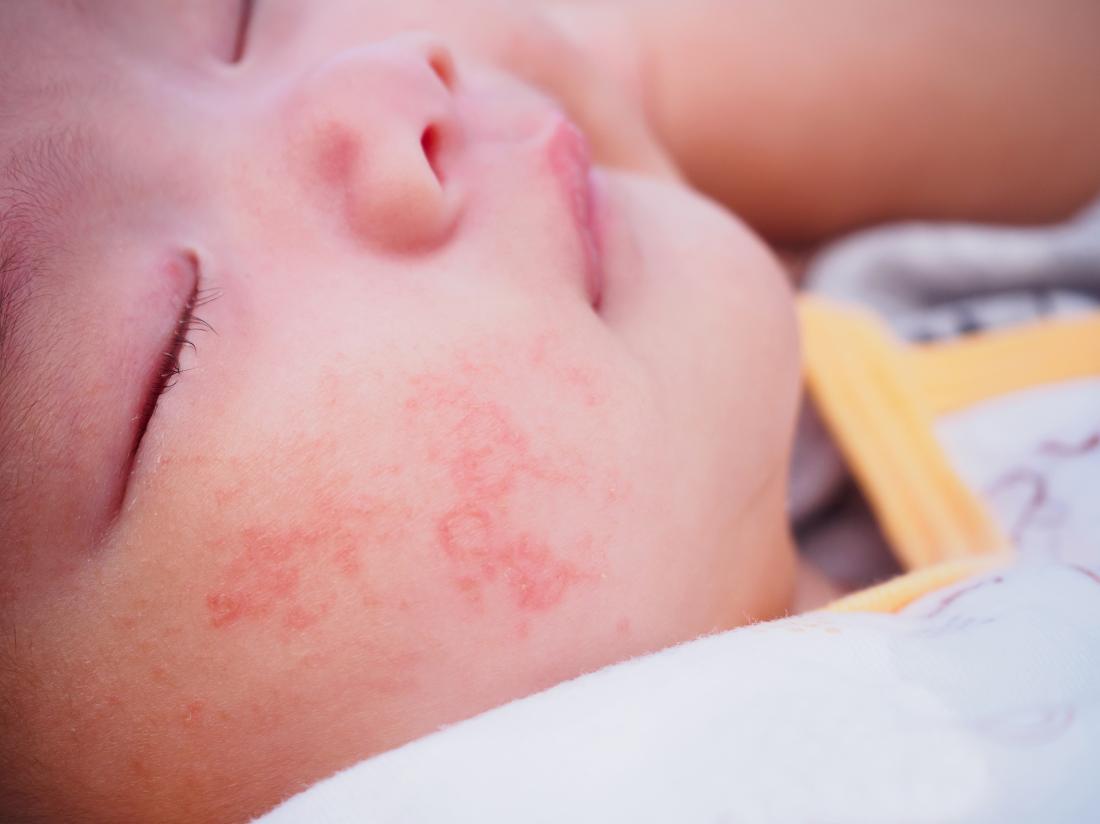
Allergic Reaction In Baby Treatment And Pictures
Signs That Your Baby Might Be Allergic To His Formula Increased fussiness or discomfort during or after feeding This is a common sign that your child may be allergic to their formula.
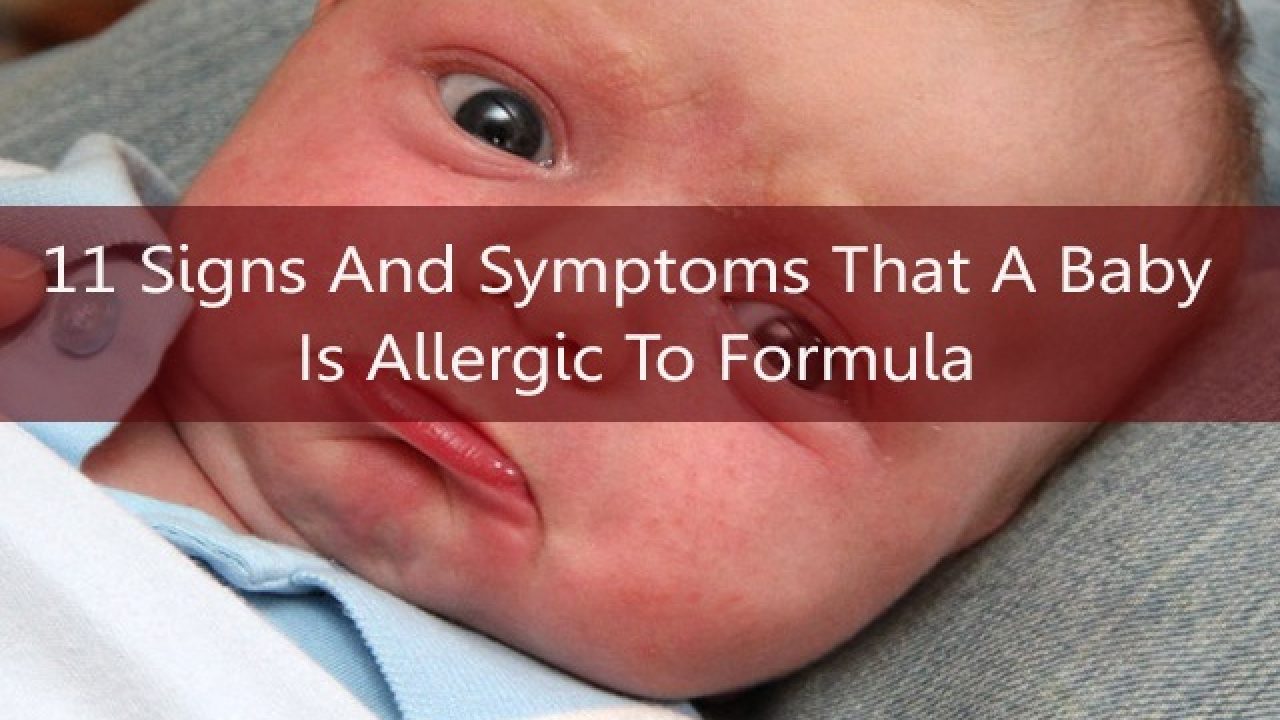
Signs of formula allergy. Formula allergy is an immunological condition where the immune system mistakenly identifies milk proteins as pathogens and attacks them with antibodies. You can keep other allergic signs at bay that can include stomach aches bloating gas crankiness etc. Formula intolerance means your baby has trouble digesting formula.
Spitting Up and Vomiting Many babies have harmless episodes of spitting up small amounts after feeding. Poop of formula-fed infants tends to be a little thicker. An allergy means your babys immune system reacts to a protein in the formula and can be life-threatening.
In essence though this list can be cut down by half. The immune response leads to an allergic reaction causing symptoms such as hives skin bumps and tissue swelling. Instant industry overview Market sizing forecast key players trends.
Signs of an allergy to milk or soy in formula. Ad Unlimited access to Allergy market reports on 180 countries. Skin rash is probably the most common sign and symptom which is associated with formula intolerance.
Babies who are allergic to infant formula may get fussy during or after their feedings and cry squirm or show other signs of digestive discomfort. These may be normal or. Its not surprising that some of the most common allergic reactions to formula are gastrointestinal symptoms including.
Increased gassiness or collicky Increased gas may be a sign that your baby has a lactose intolerance or allergy. 5 Symptoms of a Mild Formula Allergy Dry itchy flaky patches of skin rash from formula eczema Hives red blotchy spots Swollen lips or mouth call 911 if you see troubled breathing. Itching or tingling feeling around the lips or mouth.
The rashes can be scaly and itchy and is known as atopic dermatitis in medical parlance. Crying incessantly as with colic may suggest your baby is feeling gassy or has abdominal pain. A formula allergy is an immune system reaction to proteins in the formula.
So there we have it a summary of the formula for babies with cows milk allergy. Intolerance means it causes irritation in your babys digestive system. In infants the rashes generally appear on the face arms scalp and legs.
If your baby has diarrhea you will notice frequent watery foul-smelling loose poops. Coughing or shortness of breath. Allergies are usually more severe and life-threatening than food intolerances.
If your child has symptoms of a serious reaction like swelling of the mouth or throat or difficulty breathing or symptoms involving two different parts of the body like hives with vomiting. Instant industry overview Market sizing forecast key players trends. He or she may be sensitive to an ingredient in the formula.
If you dont see blood but there is mucus visible your doctor can. Immediate signs and symptoms of milk allergy might include. Goat Soy Lactose FreePartially Hydrolysed Extensively Hydrolysed and Amino Acid.
Swelling of the lips tongue or throat. Formula allergies can also lead to formation of hives on skin. Although formula allergy and intolerance are different the symptoms are often similar and the terms are frequently used interchangeably.
Diarrhoea is a symptom of formula mik allergy wherein the stools are watery loose and have a foul smell. These additional clues may indicate a possible formula allergy. If your baby has blood-streaked watery or mucous filled stools it may be a sign that theyre allergic to their formula.
As only 3 are suitable for the treatment of cows milk protein allergy. Babies who have diarrhea. Loose stools or diarrhea which may contain blood.
Blood or mucus in the stool. Signs and symptoms that may take more time to develop include. Four signs you should use an amino acid-based formula like Neocate first to help manage your patients with cow milk allergy Poor growth especially with gastrointestinalskin.
If your child has symptoms of an allergic reaction follow the food allergy action plan your doctor gave you. In babies when you introduce hypoallergenic formulas. Intolerance is different from an allergy.
I spoke about 6 baby formula types.
However symptoms might include stomach pain and lethargy. Seborrheic dermatitis is a common skin rash in infants and adults.
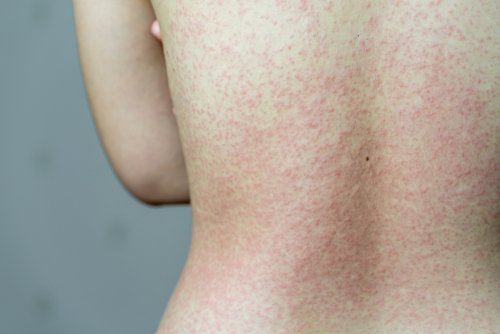
Skin Symptoms Of Covid 19 What To Look Out For Ri Skin Doc
Symptoms can include redness heat itching sensitivity and swelling.
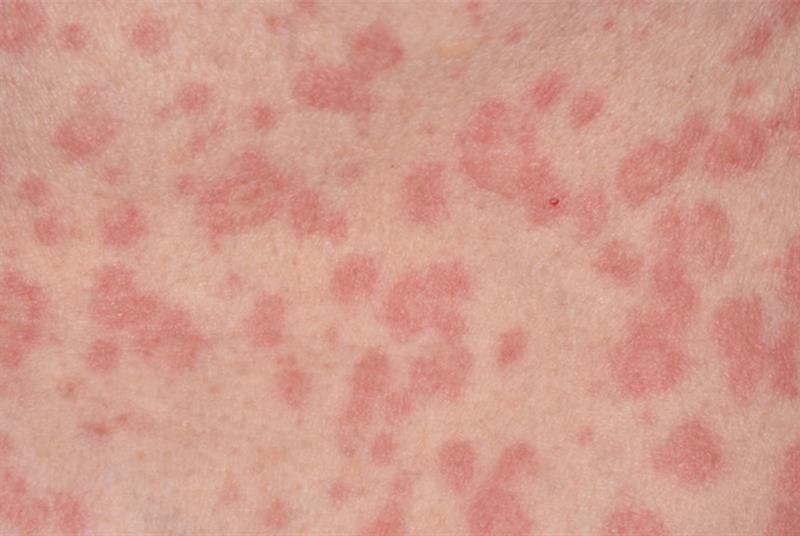
Skin rash signs and symptoms. A prickly-heat type of rash known as a papular and vesicular rash could also be a sign of Covid Credit. May 22 2021. It is a symmetrical rash with numerous reddish blotches or.
The rash can occur anywhere including the legs arms trunk face and neck. A rash is preceded by headache nausea vomiting muscle pain and joint pain. Depending on your age and sex you should contact your doctor if you have multiple.
Signs and Symptoms of Skin Rashes Signs and symptoms of skin rashes are Discoloured skin which is mainly red thick skin patch or leathery patch raised bumps scaly or flaky skin patch red or Discoloured blotches and bumps crusty swellings filled with pus round-shaped sores that ooze and become crusty blisters inflammation and itchiness. Easy flushing a stinging sensation and small pus-filled pimples are other common signs of the condition which is often confused with acne breakouts. The COVID Symptom Study led by researchers from Kings College London and health science company ZOE asks participants to log their health and any.
Many things can cause Sweets syndrome. The symptoms of a skin infection also vary depending on the type. Three to five days after symptoms begin a rash breaks out.
Discolored patches of skin usually flat that may be numb and look faded lighter than the skin around Growths nodules on the skin Thick stiff or dry skin Painless ulcers on the soles of feet. Small raised bumps may. Rocky mountain spotted fever.
Seborrheic dermatitis is a very common chronic skin condition that causes red patches with overlying greasy yellow scales to appear on the skin. Some skin lymphomas appear as a rash over some or most of the body known as erythroderma. Symptoms and signs of hives include a raised itchy red rash on the skin.
This is caused by Rickettsia which is transmitted to humans by the bite of a tick. You may also experience other symptoms such as. Rashes have many different signs and symptoms.
Are Skin Rashes Contagious. Profuse sweating enough to soak clothing particularly at night. Data from the COVID Symptom Study shows that characteristic skin rashes and COVID fingers and toes should be considered as key diagnostic signs of the disease and can occur in the absence of any other symptoms.
Typically the rash consists of red or bluish lesions or tender bumps. It usually begins as flat red spots that appear on the face at the hairline and spread downward to the neck trunk arms legs and feet. The cause or trigger of skin inflammation may be acute such as a skin infection or chronic such as an autoimmune condition like psoriasis.
They are also sometimes associated with a loss of smell anosmia fever and cough. Heat rash usually heals by cooling the skin and avoiding exposure to the heat that caused it. The symptoms include greasy scaling patches that form on oily parts of the skin.
Increased pain swelling redness or warmth around the affected area. A rash is a general nonspecific term that describes any visible skin outbreak. An individual should seek medical care for hives if he or she develops dysphagia wheezing shortness of breath or throat tightening.
Skin inflammation is a sign of an immune response in the body. The signs and symptoms may be described as flat macular raised or bumpy papular raised and sheet-like plaque a mixture of flat and raised maculopapular small bumps with pus pustular acneiform small or large pimples small clear blisters vesicular scarlet red or pink color petechial tiny pinpoint red silvery white scales annular or bullseye. Other symptoms to note.
Direct and indirect contact can spread some types of rashes from person to person. See your doctor if you or your child has symptoms that last longer than a few days the rash seems to be getting worse or you notice signs of infection such as. Sometimes this rash also involves joint pain and can bring on symptoms of arthritis.
3-5 days after symptoms begin. In fact viral exanthem exanthem meaning widespread is a common rash seen on patients with viral infections. Patients initially report fevers chills headache cough muscle aches and malaise.
Along with skin problems in rare cases lymphoma of the skin can cause general symptoms such as. Common symptoms include redness of the skin and a rash. Sometimes larger lesions can break open ulcerate.
COVID rashes can occur alongside other COVID symptoms across all age groups.
Itchy throat and tongue. Delayed symptoms can be a problem in diagnosing food allergies in young children.

Allergies In Babies And Children Babycenter
Often these symptoms are unlike the symptoms of other allergies but rather may include the following.
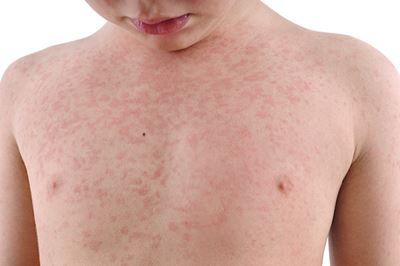
Signs of allergic reaction in young child. Mild to moderate symptoms typically affect the skin the respiratory system and the gut. Allergies can set off intestinal symptoms in children. Signs of a food allergy can include skin reactions and.
A flushed face hives a red and itchy rash around the mouth tongue or. It can cause symptoms such as eczema colic reflux constipation or diarrhoea and poor physical growth. In addition to one or more of the above symptoms of a mild to moderate allergic reaction at least one of the following symptoms indicates your child is having an anaphylactic reaction.
The rashes can be scaly and itchy and is known as atopic dermatitis in medical parlance. Difficult or noisy breathing swelling of the tongue tightness in the throat. Other signs of allergies in.
Their voices may change eg become hoarse or squeaky A child might use words like these to describe a reaction. Pulling or scratching at their tongues. If your child is having a severe allergic reaction she might have one or more of the following signs or symptoms.
Those chemicals can send you into shock. Itchy skin or rash. For children severe food allergies.
See your GP if you or your child might have had an allergic reaction to something. An allergy to eggs soy milk or wheat commonly cause delayed symptoms. Sore red and itchy eyes.
In infants the rashes generally appear on the face arms scalp and legs. How to tell if your child has a food allergy. According to the American Academy of Allergy Asthma Immunology about 6 percent of children aged 2 and under have food allergies.
For example you may have a runny nose if exposed to pollen develop a rash if you have a skin allergy or feel sick if you eat something youre allergic to. Hives reddish swollen itchy areas on the skin Eczema a persistent dry itchy rash Redness of. The most common allergy symptom a child is likely to have is called allergic rhinitis which causes a runny stuffy itchy nose.
Swollen lips and throat. Food allergies can cause sudden and serious life-threatening symptoms. Blood pressure will also drop dramatically and the airways narrow making breathing difficult.
What Are the Symptoms of Food Allergy in Babies and Children. If your child starts having serious allergic symptoms like swelling of the mouth or throat or difficulty breathing give the epinephrine auto-injector right away. If your child has trouble breathing or swallowing after eating something call 911.
Mild symptoms that may occur according to Food Allergy Research and Education. Delayed symptoms occur when the food triggers a slower acting part of the immune system. Wheezing and shortness of breath.
For example your child might have extreme trouble breathing and a sharp drop in blood pressure that can cause shock. Signs of an allergic reaction include. Skin rash is probably the most common sign and symptom which is associated with formula intolerance.
Putting their hands in their mouths. If your child often complains of stomach cramps or has repeated attacks of diarrhea this may hint at an allergy. Formula allergies can also lead to formation of hives on skin.
Difficulty with breathing andor noisy breathing wheeze or persistent cough swelling of the tongue. Avoid foods if youre not sure whether they contain the food your child is allergic to. The symptoms vary depending on what youre allergic to and how you come into contact with it.
A child with allergies may also have itchy watery red eyes and chronic ear problems. Allergic rhinitis hay fever Allergic rhinitis is the most common childhood ailment caused by allergies. Occasionally foods can cause a severe allergic reaction.
Every second counts in an allergic reaction. Symptoms of an immediate food allergy. Runny or blocked nose.
Symptoms include a runny and itchy nose sneezing postnasal drip and nasal congestion blockage. Signs of an allergic reaction in children especially very young ones can include. Hives are another telltale sign of an allergy.
Some kids develop a severe allergic reaction called anaphylaxis in response to foods like peanuts or shellfish. Allergies to milk and soy are usually seen in infants and young children.
Generally these signs show up between 4 and 24 hours of mom eating the allergen. Spitting up or vomiting.
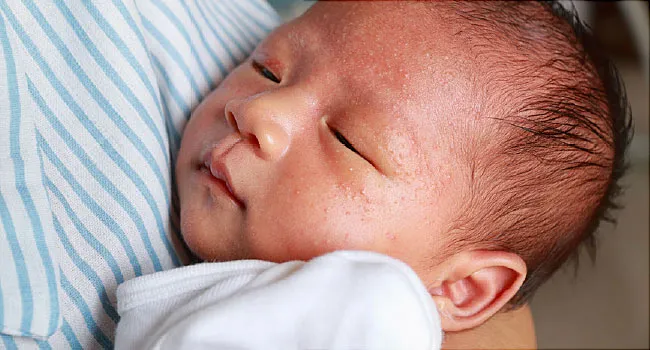
Infant Milk Allergy Lactose Intolerance Or Something Else
That makes CMA difficult to identify.
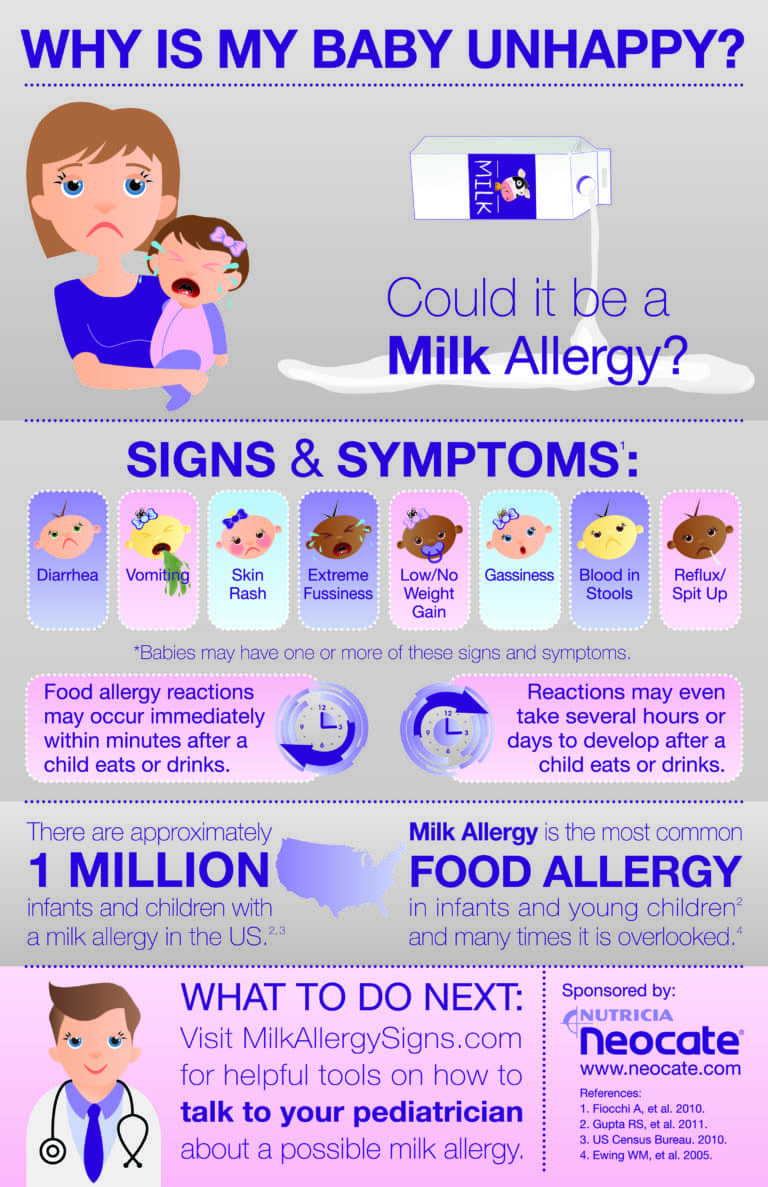
Signs of dairy intolerance in newborns. This damage is commonly caused by diarrhoea infected with viruses such as the rotavirus. Signs and Symptoms of Cows Milk Allergy in Babies. Reflux and spit up that is mucousy.
Often babies are allergic to both. How is a milk allergy in infants diagnosed. Treatment depends on the extent of your childs intolerance.
Treatment for lactose intolerance. Dairy Intolerance in Breastfed Babies. If you think your baby might have a dairy intolerance or sensitivity consult with your pediatrician.
Failure to thrive and gain weight. Your baby may also experience a rash eczema abdominal pain or vomiting. Your baby might also be excessively gassy might have green mucousy stools andor blood in stool.
Repeated bouts of tonsillitis. Symptoms of this intolerance tend to develop within the first week of exposure. By 3 years old 80 percent of kids with milk protein intolerance have outgrown it and can tolerate dairy products without problems.
Some children with lactose intolerance may be able to have small amounts of. Babies with lactose intolerance cannot digest lactose properly and it remains indigestible in the intestine. These can affect multiple body parts or systems digestive skin respiratory or general.
Signs Of Milk Allergy In Breastfed Baby. Remember I told you about the child who seemed to have outgrown their problem with dairy. Loose stools and gas especially when your child eats dairy products.
These are not specific to CMA meaning they can signal other conditions. Milk allergy symptoms are similar to symptoms of a lactose intolerance but these conditions arent the same. Your baby may also have either diarrhea or constipation.
Irritability crying or other colic symptoms. According to Moss milk protein intolerance is very uncommon Its most common though in kids under the age of 3. Other unusual digestive problems.
This form of lactose intolerance goes away with treatment of the underlying celiac disease. Signs your child may be lactose intolerant include. This condition affects formula-fed.
Frequent andor painful gas. Signs of dairy intolerance in childhood. Lactose intolerance symptoms can range from mild to severe depending on the amount of lactose a child consumes and how much lactase a childs body makes.
Blood in stool is the biggest indicator of a milk allergy but there are other causes. Babies with lactose intolerance may be very fussy and may not gain weight or grow well. Stomach pain and cramping.
What are the symptoms of lactose intolerance in babies. These are the signs and symptoms of an allergy in a breastfed baby. Slimy green or bloody poop.
Milk allergy symptoms can range from vomiting itchiness hives rashes abdominal pain and diarrhea to asthma swelling and anaphylaxis. Stomach bloating gas and nausea. Here are some symptoms you should watch out for especially after your child eats dairy products.
Excessive and smelly farts. Screaming at the breast or after feeding. Children with a cow milk allergy often experience several signs and symptoms.
If your baby has symptoms of either a milk allergy or milk intolerance see your pediatrician. The signs of a milk allergy in babies are pretty visible such as vomiting or the common milk allergy rash while signs of an intolerance are invisible or hard to identify such as indigestion and irritability. A milk allergy is a type of food allergy.
Lactose intolerance occurs when the lining of the intestine bowel and gut has been damaged. Symptoms of lactose intolerance in babies include. Classic symptoms include diarrhea poor appetite belly distension and pain and weight loss.
Watery diarrhea with gas. Symptoms of lactose intolerance include. Stomach rumbling and pains.
Read more about reasons for blood in baby stool. Common foods that can cause an allergic reaction are milk eggs shellfish peanuts and tree nuts. The problem is now they suffer from lots of normal childhood health issues.
What are the symptoms of lactose intolerance in babies.