Signs of Peanut Allergy in Babies. In those with low or no risk peanut butter or peanut puff products can.
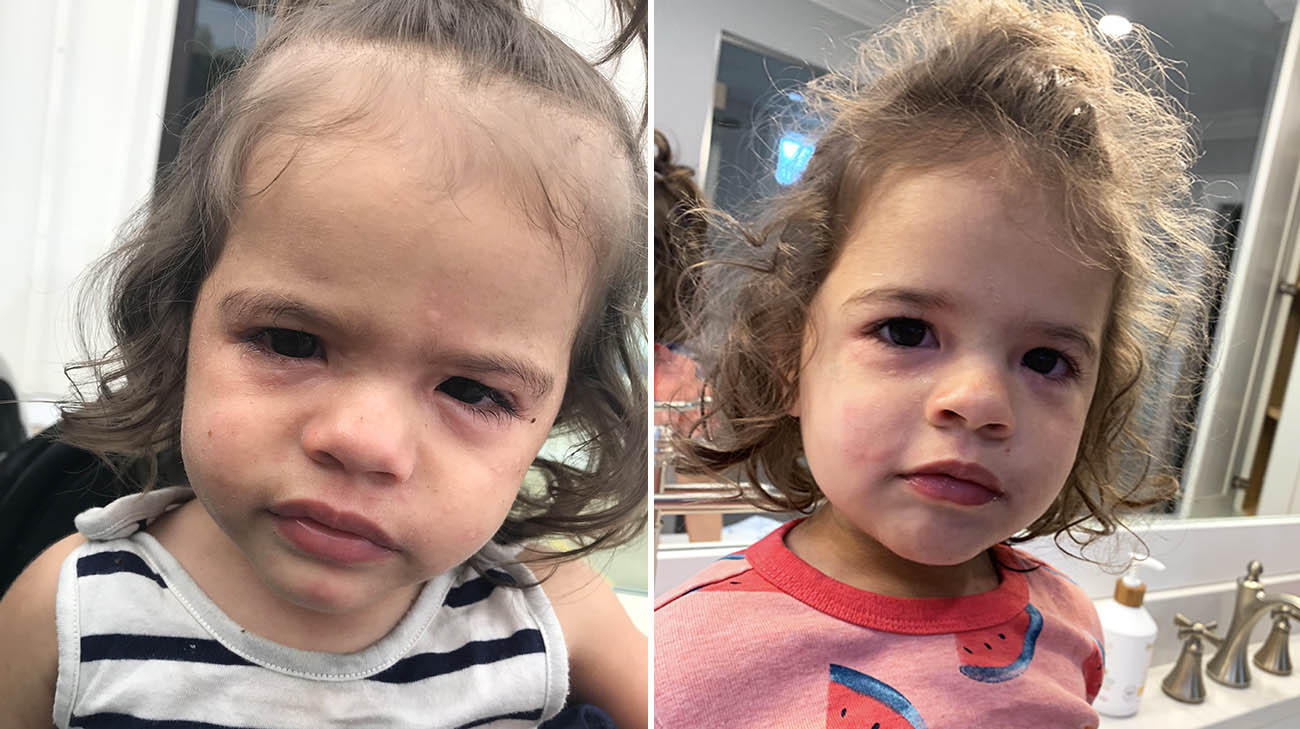
Child With Peanut Allergies Builds Tolerance With Same Food
Face or tongue swelling.

How to know if baby is allergic to peanut butter. First speak with your doctor and ask about an allergy test. Testing for peanut allergy is recommended for babies with severe eczema or egg allergy. Some symptoms include swollen tongue or lips diarrhea wheezing nausea vomiting stomach cramps or swollen limbs or face.
The doctor might recommend allergy testing to confirm the diagnosis. These researchers discovered that the early introduction of peanut products reduced the risk of developing an allergy by 80. Redness around the mouth or skin that came into contact with peanut hives stomach distress such as vomiting or diarrhea.
If your baby does not have any reaction after 10 minutes give the rest of the peanut butter at his normal eating speed. High-risk children are those who have severe eczema an egg allergy or both. Change in skin color pale blue How long does it take to have a reaction to peanut butter.
It is the sign of peanut allergy in breastfed babies is that they will be suffering from shortness of breath or wheezing. If you suspect that your baby or toddler has a peanut allergy take peanut butter and other foods that contain peanut butter or peanuts off the menu and touch base with her pediatrician to discuss her symptoms. Runny or stuffy nose sometimes with clear discharge.
Wait 10 minutes between the first and second taste. You may find digestive problems that include diarrhoea cramps in the stomach nausea or even vomiting. Moreover peanuts can easily choke babies aged 4-6 months.
Widespread hives welts over the body. An allergist can confirm or help rule out an allergy through testing either blood or skin test and food challenge. Testing for peanut allergy is recommended for the first group.
Give your baby 2 teaspoons 6 grams of peanut products at least 3 times per week. Signs of a peanut allergy. Stomach distress such as vomiting or diarrhea.
How do you know if baby is allergic to peanut butter. Symptoms after eat. After your baby is already eating other solid foods you can safely introduce age-appropriate peanut-containing foods at 4 to 6 months unless your child is at high risk.
Some people may have stomach and digestive trouble or experience other common allergy symptoms such as coughing and sneezing. This includes difficulty breathing and gasping for air. You should also proceed with caution when introducing peanut butter to your baby if you think they are at risk for the allergy.
One of the symptoms that an allergic baby may develop is respiratory problems. Signs of Peanut Allergy in Babies An allergic reaction to peanut butter in a baby most commonly presents as. Symptoms after eat.
Talk to your doctor early around the 2- or 4-month check-up since ideally your child should be given peanut butter once solids are started by 6 months old. Skin prick testing is best but a blood test can be done also. Babies with mild or moderate eczema can begin having peanut products around 6 months.
Peanut butter is smoother compared to peanuts. Most babies can get them but it. If you are thinking of introducing peanuts to your babys diet give him tiny amounts of peanut butter.
Some symptoms of peanut butter allergy may be unpleasant and violent but not very harmful for your childs overall health. Tightening of the throat. In these cases your child should be screened by a healthcare provider.
In some cases the reaction can be severe and may include facial swelling and trouble breathing. The signs of an allergic reaction to peanut butter typically include skin reactions like hives or eczema. Signs and symptoms of a baby being allergic to peanuts can be severe and life-threatening.
If the testing shows allergy the baby should see a specialist to discuss giving peanut products. This will help prevent him from developing a peanut allergy later in life. An allergist can confirm or help rule out an allergy through testing either blood or skin test and food challenge.
Similarly you may ask how do I know if my baby is allergic to peanuts. Sometimes the child may experience breathlessness and difficulty breathing. Swelling of the face including puffiness.
The most serious reaction is anaphylaxis or a whole-body reaction to the peanut-containing product that was eaten. Redness around the mouth or skin that came into contact with peanut. The usual symptoms of a food allergy are itching hives swelling lip tongue throat tightness nausea vomiting asthma or combination of those within minutes to hours of eating peanuts.
One of the sign of peanut allergy is tightening of the throat among breastfed babies. Redness or itchiness of the nose. The usual symptoms of a food allergy are itching hives swelling lip tongue throat tightness nausea vomiting asthma or combination of those within minutes to hours of eating peanuts.
Your practitioner will be able to advise you on how and when to get your child tested.