Panaccione 2002 4 described the clinical course of 6 patients who experienced a delayed-type hypersensitivity reaction following a repeat infusion of infliximab after a period of no infliximab treatment. Examples of DTH reactions are contact dermatitis eg poison ivy rash tuberculin skin test reactions granulomatous inflammation eg sarcoidosis Crohn disease allograft rejection graft versus host disease and autoimmune hypersensitivity reactions.
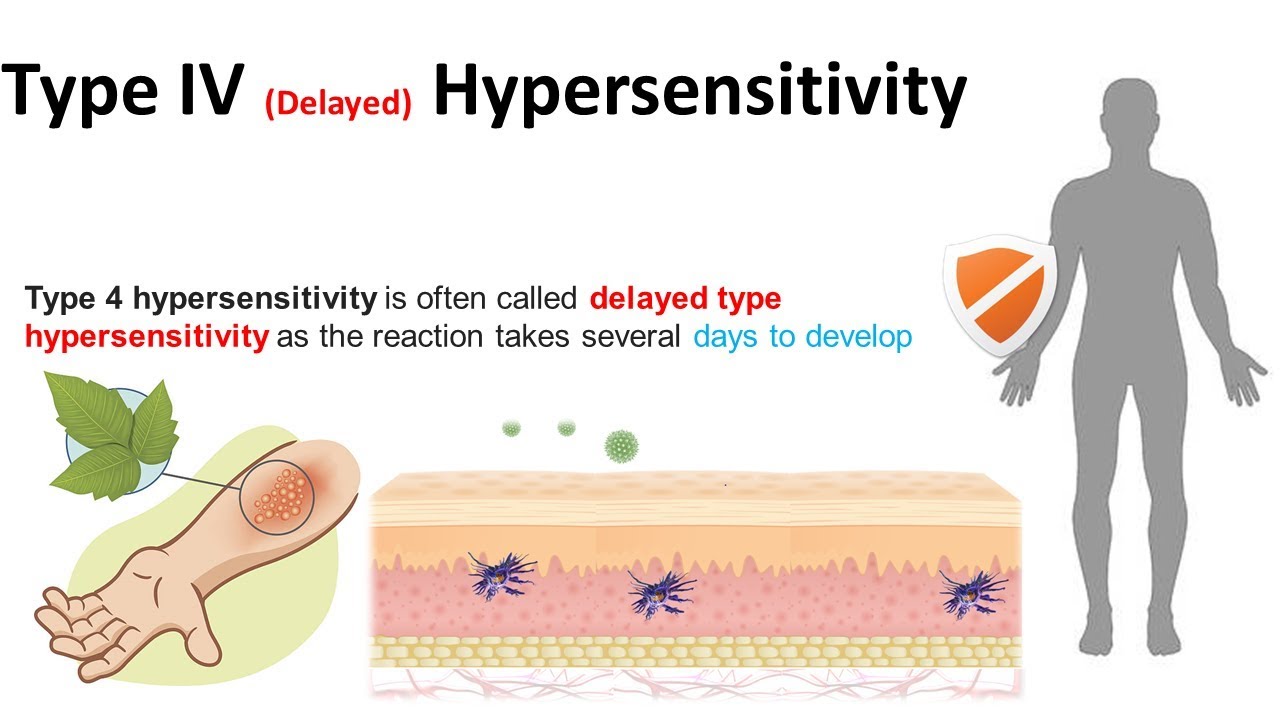
Type Iv Delayed Hypersensitivity Youtube
The fourth type is considered a delayed hypersensitivity reaction because it usually occurs more than 12 hours after exposure to the allergen with a maximal reaction time between 48 and 72 hours.
Treatment of delayed hypersensitivity reactions. On rare occasions the reaction to a delayed hypersensitivity skin test may be extreme and result in. Delayed-type hypersensitivity DTH skin testing requires the use of Ag doses as defined under Lab Studies. Reactions with any features of anaphylaxis or severe infusion reactions NCI Grade 3 or higher require discontinuation of the drug infusion and immediate treatment with epinephrine see dose below and antihistamines.
This is according to findings from a case series study published in JAMA Dermatology. How long can a delayed allergic reaction be. The four types of hypersensitivity are.
Drug hypersensitivity reactions are unpredictable adverse drug reactions. Delayed nonimmediate reactions Delayed nonimmediate reactions usually appear after more than one dose of drug and typically after days of treatment. Antibodies do not mediate DHR.
Coombs and Gel classified type IV hypersensitivity reaction HR as a delayed hypersensitivity reaction DHR which takes more than 12 hours to develop. The first three types are considered immediate hypersensitivity reactions because they occur within 24 hours. For example delayed cutaneous maculopapular eruptions to amoxicillin classically start on day 7 to 10 of treatment and may even begin 1 to 3 days after cessation of treatment.
Delayed or late-phase allergic reactions. Topical corticosteroid preparations can be applied as needed. The best advice is to avoid the offending antigen.
Delayed hypersensitivity reactions at the site of injection with the Moderna COVID-19 vaccine are possible but these delayed reactions do not represent a contraindication to secondary vaccination. Delayed allergic hypersensitivity to hyaluronidase during the treatment of granulomatous hyaluronic acid reactions J Cosmet Dermatol. They manifest either within 16 h following drug intake immediate reactions with mild to life-threatening symptoms of anaphylaxis or several hours to days later delayed reactions primarily as exanthematous eruptions.
The desensitization protocol allowed us to continue the treatment and to achieve a favorable response of the CLL. Delayed nonimmediate reactions Delayed nonimmediate reactions usually appear after more than one dose of drug and typically after days of treatment. Delayed hypersensitivity reaction treatment.
Typically the maximal reaction time occurs between 48 to 72 hours. Antihistamines are used for the treatment of type I hypersensitivity. For example delayed cutaneous maculopapular eruptions to amoxicillin classically start on day 7 to 10 of treatment and may even begin 1 to 3 days after cessation of treatment.
DTH responses represent cellular immune responses to recall Ags to which the subject has been exposed at least 4-6 weeks previously. It is mediated by T cells that cause an inflamma. See Lab Studies for a more complete discussion of the interpretation of DTH reactions.
Ultra-low-molecular-weight heparins may be a therapeutic alternative in some cases but not in all patients with delayed-type hypersensitivity skin reactions at subcutaneous heparin injection sites 45. Treatment for anaphylactic symptoms is injection with epinephrine a potent neurotransmitter and hormone that effectively halts the immune response. They are involved in patient education supervising treatment and relating changes in patient status to the team.
This protocol was well tolerated and no hypersensitivity reaction was observed. The treatment of contact dermatitis varies depending on the severity of the disease. Patients with a hypersensitivity reaction to bendamustine can safely receive bendamustine by our rapid desensitization protocol.
These medications block histamine receptors on cell membrane surfaces. The first and most important treatment in anaphylaxis is epinephrine. The reactions occurred at a median of 28 weeks range 12-48 weeks following the initial infusion of infliximab dose not reported.
Treatment of delayed hypersensitivity reactions or type 4 hypersensitivity reactions involves treatment of the elicitating cause 14. Delayed hypersensitivity reactions can be treated with interlesional and topical steroids topical Tacrolimus ointment 01 BID and short courses of oral steroids. Nurses play a critical role in the management of a patient with delayed hypersensitivity disorder.
Needless to say a person experiencing anaphylaxis requires immediate. For example delayed cutaneous maculopapular eruptions to amoxicillin classically start on day 7 to 10 of treatment and may even begin 1 to 3 days after cessation of treatment.
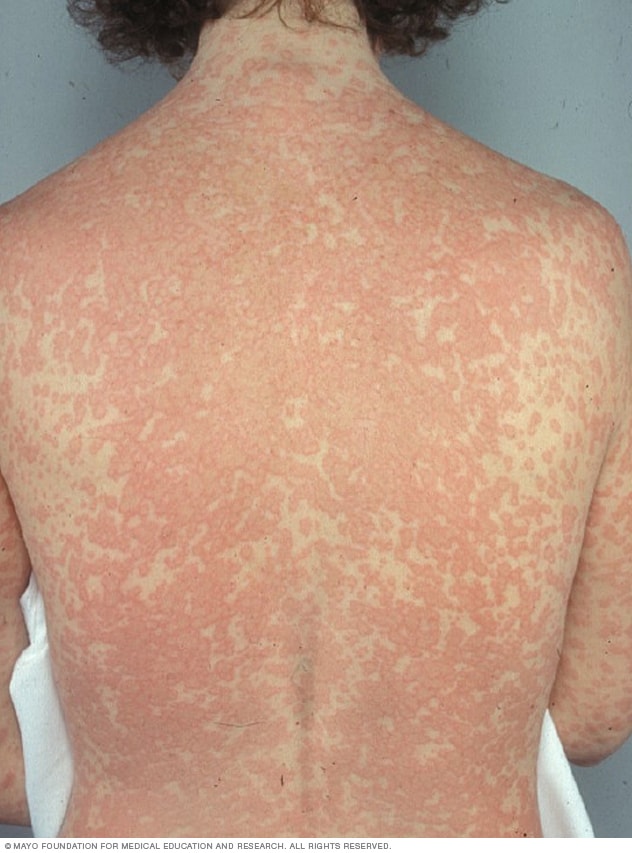
Penicillin Allergy Symptoms And Causes Mayo Clinic
Delayed allergic reaction to amoxicillin Type iv delayed hypersensitivity reaction such as a health.
Can you have a delayed reaction to amoxicillin. Your immune system may become sensitive to the antibiotic the first time you take it. A non-allergic rash occurring while taking amoxicillin or Augmentin will. Such reactions can be observed with a number of allergens and can be tricky to diagnose and treat because doctors usually assume allergies are related to recent exposures.
Signs and symptoms of an ampicillin or amoxicillin rash. Delayed immune reactions can occur several days after antibiotic treatment is begun and are generally mediated by T-cells IgG-mediated. The overall incidence of anaphylaxis is rare less than 001.
People especially children who take amoxicillin and other drugs belonging to penicillin family experienced rash. They may occur in immediate OR delayed reactions delayed urticarial eruptions. You may be able to avoid stomach issues by taking your meds with a.
Another type iv delayed hypersensitivity reaction and patch. Healthcare providers cannot know ahead of time if you will have an allergic reaction. Poison ivy and similar plants cause some of the best-known delayed hypersensitivity reactions.
If it appears to be getting worse or is not resolving be sure to see your doctor for appropriate treatment. The reaction can start soon after you take the medicine or days or weeks after you stop. If the rash you are experiencing is a late reaction to amoxicillin it should begin to clear in just a few days.
Once the itching rash and blisters appear an allergic reaction to poison ivy can take up to eight weeks to resolve 3. The most common symptoms of the immediate reactions occur a half an hour to an hour after taking the medication she says. Prick and delayed reactions have an immediate.
Breathing problems Breathing difficulty involves a sensation of difficult or uncomfortable breathing or a. Can you have a delayed reaction to amoxicillin. However it can be potentially dangerous if the rash is caused by an allergy.
Signs of an allergic reaction to amoxicillin may include hives. In rare but severe cases individuals having an allergic reaction to amoxicillin can experience a life-threatening condition known as anaphylaxis which is a whole body response that features serious symptoms such as difficulty in breathing severe mouth and throat swelling drop in blood pressure and even loss of consciousness. If you notice your.
These are raised itchy red or white swellings. The rash disappears on its own without requiring any treatment. Symptoms include swelling vomiting coughing and anaphylaxis Then there is the delayed reaction which can happen after the entire series of antibiotic has been consumed.
May cause an allergic reaction in those allergic to penicillin. Amoxicillin can cause delayed allergic reactions even after youve stopped taking it. When a person first touches the plant no reaction occurs for the first 24 to 48 hours.
Amoxicillin along with most antibiotics can cause a host of not-fun GI issues like nausea bloating vomiting and diarrhea. The type of rash that develops depends on whether the person is experiencing an allergic reaction to amoxicillin or not. Amoxicillin rashes are not dangerous 6.
For example delayed cutaneous maculopapular eruptions to amoxicillin classically start on day 7 to 10 of treatment and may even begin 1 to 3 days after cessation of treatment. If your child develops hives which are raised itchy white or red bumps on the skin that appear after one or two doses of the medicine they may be allergic to penicillin. A maculopapular rash will usually appear around 3 to 10 days after a person.
People with chronic hayfever asthma and urticaria along with those allergic to penicillin are at an increased risk of having an allergic reaction. They may even perform a penicillin skin test just to rule out the chance you may have more serious reactions in the future. Delayed nonimmediate reactions Delayed nonimmediate reactions usually appear after more than one dose of drug and typically after days of treatment.
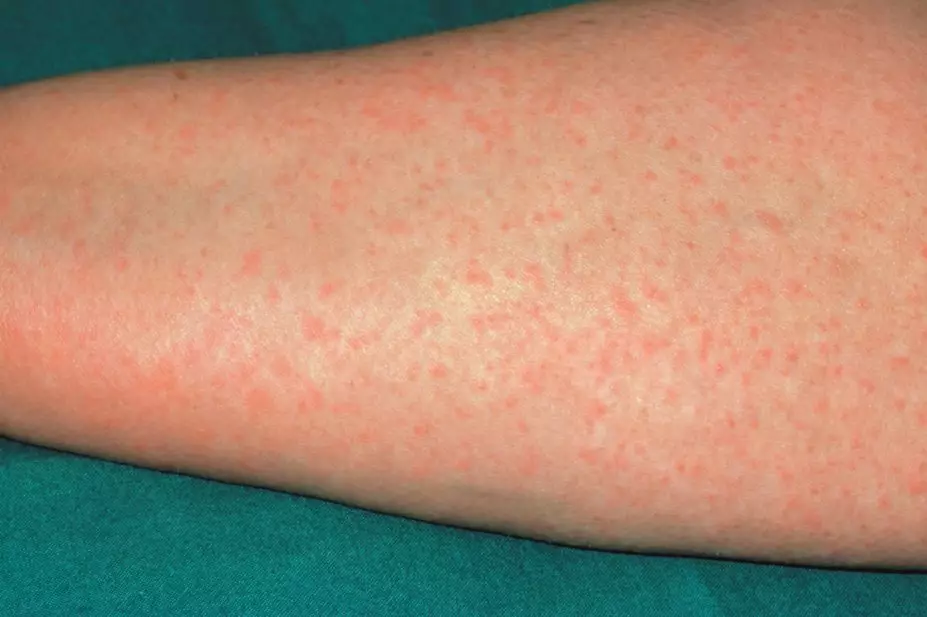
3 4 Macular papular or morbilliform rash is a common example of a delayed reaction to antibiotics and it is often difficult to tell whether this rash is caused by the infection or the treatment. Individual spots usually go away within 24 hours but new ones can continue to appear. Look like small less than half an inch widespread pink spots in a symmetrical pattern or slightly raised pink bumps Usually appear on day 5-7 from the start of the amoxicillin or Augmentin but can.
A delayed allergic reaction typically begins between two and three days after exposure to an antigen rather than almost immediately. Other common sources of delayed hypersensitivity reactions are metals such as nickel. Nausea diarrhea abdominal pain headache taste perversion and skin rash are the most common side effects occurring in less than 10 of people who take amoxicillin.
Delayed nonimmediate reactions Delayed nonimmediate reactions usually appear after more than one dose of drug and typically after days of treatment. 3 Delayed reactions to antibiotics especially amoxicillin are more often seen in. While anyone may form an allergy to amoxicillin certain people are more prone than others.
Sometimes people have an adverse reaction to dental anesthetics and the most frequent causes are direct injection into a. Delayed reaction to anesthesia Download Here Free HealthCareMagic App to Ask a Doctor All the information content and live chat provided on the site is intended to be for informational purposes only and not a substitute for professional or medical advice.
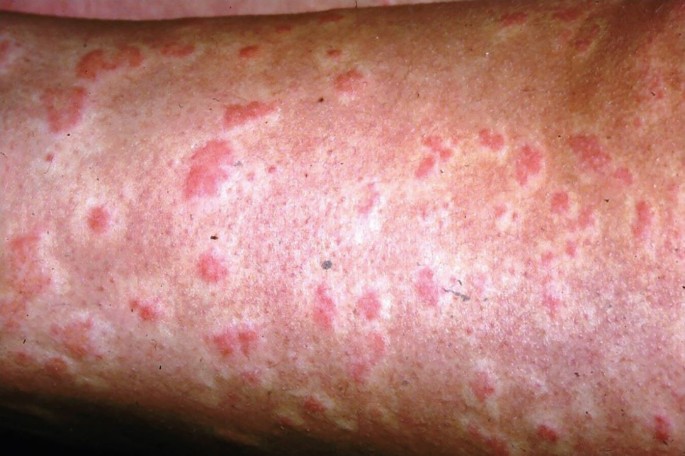
Management Of Anaphylaxis In The Dental Practice An Update British Dental Journal
Hence you should advise your doctor of any known or possible allergic reaction you may have had in the past including antibiotics over the counter medications material and food allergies.

Can you have a delayed allergic reaction to anesthesia. If you think you have it you should tell your surgeon and your anesthesiologist so they can avoid using latex products. TYPES OF ALLERGIC REACTIONS TO LOCAL ANESTHETICS Two distinct types of allergic reactions to LAs have been described. This includes emergency rooms dental offices and intensive care units.
Lastly a late allergic reaction due to anesthetic drug he received would involve whole body and not hands but still can not. This should be considered in patients who react to multiple amide anesthetics who have delayed swelling or who have a history of severe contact dermatitis. If it turns out that you are allergic to sodium bisulphite your dentist can use a local anaesthetic without epi.
If you do suffer an allergic reaction during anesthesia Dutton said get a letter from the anesthesiologist describing the. Local reaction can also be due to allergy to suture material. Having an allergic reaction during the administration of anesthesia can happen but its not very common.
Serious allergic reactions to anesthetic medications are rare and a usually attributable to factors other than the anesthetic. If it turns out that you really are allergic to a caine an allergist can help you find out which of the caines you can tolerate. It is theoretically possible to be allergic to any medication including dental anesthetics.
Neuromuscular blocking agents natural rubber latex and antibiotics are the most common causes of serious allergic reactions during surgery. Then its a really good idea to get simple skin tests for those meds to truly determine if they. Scandonest 3 Plain or prilocaine without epi Tradename.
A delayed or delayed allergic reaction also called a delayed allergic hypersensitivity response is an allergic reaction that begins between 24 and 72 hours 1-3 days after exposure to an allergen rather than being an immediate reaction as it occurs usual way in typical allergic reactions. However this would be quite rare but is certainly reported in the literature. So knowing your drug-allergy history is one way to protect yourself.
Allergica reactions are life threatening. If you have any of the following conditions be sure to tell your doctor because these conditions can affect how well you do during and after surgery. The medical professional treating you should review your complete medical history and past allergic reactions before ordering or administering any anesthesia as failing to do so may lead to several health problems.
A delayed allergic reaction begins between two and three days after exposure to an antigen. Speak with your anesthesiologist to determine which medications were suspected in causing the reaction. Hi It could be related to the drugs he is using after he had surgery like some anti biotics pain drugs etc.
We confirm previous data showing that patients reacting to benzocaine can tolerate lidocaine and that lidocaine-allergic individuals can tolerate ester anesthetics. In some cases the reaction can be delayed even more. The mortality rate from these reactions ranges between 3-9.
Then you can give the. If you do suffer an allergic reaction during anesthesia Dutton said get a letter from the anesthesiologist describing the circumstances. Patients experience a delayed allergic reaction when the response to an allergen is mediated by the leukocytes the white blood cells.
Its estimated that 1 out of every 10000 who receive anesthesia have an allergic reaction. Either mepivacaine without epi Tradename. While most people do not have an allergic reaction to anesthesia it can cause a number of problems for those who do.
It usually occurs during or after surgery but it can occur whenever anesthetic drugs are used. History of adverse reactions to anesthesia. Allergic contact dermatitis and delayed swelling at the site of administration These types of reactions are uncommon but well-established.
You may be concerned in particular with a severe sometimes fatal reaction to anesthetics called malignant hyperthermia. They begin hours after injection and usually peak within 72 hours. Anesthesiology 13 years experience Get tested.
This type of rash often develops between 3 and 10 days after starting amoxicillin. If no reaction the doctor feels its safe to prescribe the antibiotic.
Penicillin Allergy Identification And Management The Pharmaceutical Journal
Those tests for penicillin G and its determinants as well as for ampicillin and amoxicillin.

Delayed allergic reaction to amoxicillin rash. Sometimes the rash spreads to the arms legs and face. 5-10 of children taking Amoxicillin or Augmentin will develop a skin rash at some point during the course of the medication. The graded challenge takes place in a doctors office with a low dose of penicillin.
Symmetrical drug-related intertriginous and flexural exanthem SDRIFE is a delayed hypersensitivity reaction. Non-allergic amoxicillin rash looks like a small widespread pink spots in a symmetrical pattern. SDRIFE characteristically causes erythema in the intergluteal and inguinal folds.
Delayed allergic reaction rash to amoxicillin People who break out in hives do so usually because of an allergic reaction. Immediate reactions Delayed nonimmediate reactions Delayed nonimmediate reactions usually appear after more than one dose of drug and typically after days of treatment. See Penicillin allergy.
The development of amoxicillin rash without any additional symptoms may however. Another type iv delayed hypersensitivity reaction. The dose is increased.
Delayed allergic reaction to amoxicillin Type iv delayed hypersensitivity reaction such as a health. Amoxicillin and other penicillins account for about 50 of SDRIFE cases. For example delayed cutaneous maculopapular eruptions to amoxicillin classically start on day 7 to 10 of treatment and may even begin 1 to 3 days after cessation of treatment.
Rash while taking Amoxicillin or Augmentin is common. One of the common side effects of amoxicillin is a skin rash. A skin rash can be indicative of both a normal side effect and an allergic reaction.
Usually they are not due to a known allergic mechanism. But an amoxicillin rash can develop at any time during the course of your childs antibiotics. Sometimes the rash is slightly raised and pink in color.
If not it doesnt necessarily mean they are not allergic. In fact some doctors consider the side effects of the medication to be minor forms of an allergic reaction. The rash presents and extends more widely over hours to days.
The majority of these are not a true allergic reaction and most are caused. The aim was to investigate the pathogenic mechanism of a maculopapular rash experienced by a subject during cefazolin therapy. Delayed nonimmediate reactions Delayed nonimmediate reactions usually appear after more than one dose of drug and typically after days of treatment.
Prick intradermal and patch tests were carried out using penicillin determinants ampicillin amoxicillin cefazolin cephalothin cefuroxime ceftazidime and ceftriaxone. Look like small less than half an inch widespread pink spots in a symmetrical pattern or slightly raised pink bumps Usually appear on day 5-7 from the start of the amoxicillin or Augmentin but can occur at any time during the course of the medication. More serious delayed immune reactions generally involve rash in conjunction with systemic symptoms including.
A non-allergic rash occurring while taking amoxicillin or Augmentin will. Background Maculopapular rashes are common cutaneous adverse reactions to ampicillin and amoxicillin. It is most common for an allergic reaction to amoxicillin to be confused with normal side effects of the drug.
The rashes appear after five to seven days of taking amoxicillin and commonly found on the chest back and abdomen. The patient could still have a non-immediate delayed reaction. For example delayed cutaneous maculopapular eruptions to amoxicillin classically start on day 7 to 10 of treatment and may even begin 1 to 3 days after cessation of treatment.
3 Serum sickness-like reaction onset several days after treatment and characterised by vasculitic rash arthralgia flu-like symptoms and sometimes proteinuria. Prick and delayed reactions have an immediate. Amoxicillin comes from penicillin which is known to cause allergic reactions in some people.