Any information someone could provide would be grately appreciated. If you are allergic to antibiotics you get signs and symptoms like a rash swelling of the face or difficulty breathing.
:max_bytes(150000):strip_icc()/penicillin-allergies-2634584-01-8e7ad55b8d914e23a20b9597af84dc63.png)
Children And Penicillin Allergic Reactions
You will need to tell all your health care providers so you arent prescribed the drug in any situation.
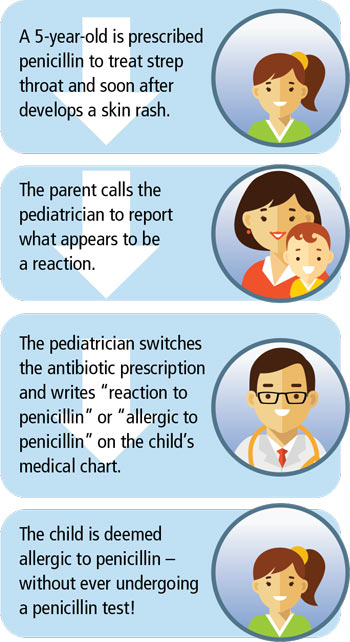
How do you know you are allergic to antibiotics. Diagnosis of antibiotic allergy is done by performing certain tests on the sensitive individual. Has anyone heard of a doctor or hospital that treats or is doing research in this area of health care. This is when a physician introduces small amounts of the penicillin slowly.
The treatment will depend on. If you get any additional side effects contact your GP or the doctor in charge of your care for advice. Most of the time two or three medications are responsible.
You may have a flat red area on your skin that is covered with small bumps. If you take an antibiotic and think youre having an allergic reaction the first step is to know the difference between medication side effects and an actual allergy. Mild symptoms include red itchy flaky or swollen skin.
What are the signs and symptoms of an allergic reaction to an antibiotic. If your child develops hives which are raised itchy white or red bumps on the skin that appear after one or two doses of the medicine they may be allergic to penicillin. You will exhibit any number of different allergic reactions such as a rash or hives wheezingshortness of breath or in extreme cases may have dizziness vomiting seizures or.
Sulfa allergy and allergy to sulfites found in food or drink arent the same thing. The rash can happen in the middle or end of the course of antibiotics. If youre allergic to sulfa drugs or any other medication you may have one or more of these symptoms.
Side effects could be an upset stomach diarrhea nausea and possibly a skin rash if youve been out in the sun. Its wise to wear a medical alert bracelet or necklace so medical personnel will know you are allergic. Around 1 in 15 people have an allergic reaction to antibiotics especially penicillin and cephalosporins.
The active ingredient and describe your reaction to all of your healthcare providers. If you have a reaction to a drug you need immediate treatment. The antibiotics most likely to cause an allergic reaction are penicillins and cephalosporins.
Typically if a child is allergic to antibiotics youll notice she will develop a rash at some point during the course of antibiotics. Neither is acceptable in this day and age but fear Im close to it this time. What you should know - Information for parents and carers Released November 2019.
An allergy can also manifest itself with severe stomach upset particularly vomiting and rarely trouble breathing. Itchy eyes or skin. If they think you might be allergic to an antibiotic such as penicillin they may give you a skin test to confirm it.
While there are many medications that contain sulfa allergic reactions to sulfa antibiotics are most common. Call your md right away if you see any of these signs. Because of this you will know that you have an allergy to penicillin in a really short time and rather take another antibiotic or visit your physician as soon as possible.
A severe allergic reaction is known as anaphylaxis and usually occurs within an hour of taking an antibiotic. A severe allergic reaction is a medical emergency requiring immediate medical attention. In most cases the allergic.
Skin rash or hives. There is always an antibiotic that a patient can take Two types of tests are available to determine if you might be allergic to penicillin or cephalosporins. Infections NO antibiotic deathor Infections antibiotic allergy to antibiotic death.
Antibiotic it does not mean you are allergic to all types of antibiotics. Septra and Bactrim are sulfa containing antibiotics. Besides you may also undergo desensitization treatment.
Sulfa Allergy Symptoms. Do you have an antibiotic allergy. How do you know if youre allergic to penicillin.
A skin test and graded challenge. If you have a confirmed antibiotic allergy ensure you are able to identify the antibiotic generic name ie. If you notice your.
An allergic reaction is a little more serious. Individuals who have chronic illnesses or have a family member suffering from antibiotic allergy are also susceptible to such allergic reactions. Patients can be allergic to multiple medications but that is rare says Dr.
The doctor asks about the persons medical history and any previous allergic reactions.
Breathing difficulties such as fast shallow breathing. Itching usually goes away within a week.

What To Do If You Have Allergic Reactions To Antibiotics Medshadow
How long does an allergic reaction last is often the first question that comes to mind when one starts to develop allergies.
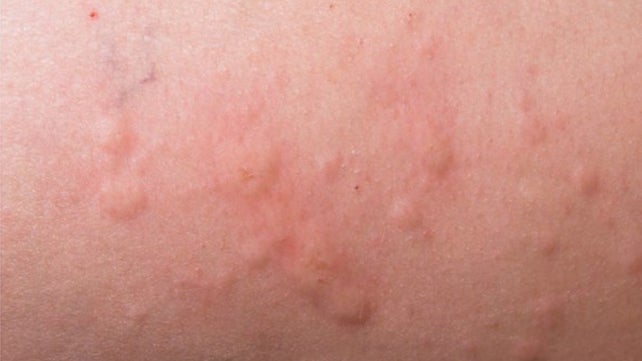
How long can an allergic reaction to antibiotics last. The reaction can also cause these serious skin reactions. Allergic reactions to antibiotics largely depend upon the type and quantity of antibiotics taken. But an amoxicillin rash can develop at any time during the course of your childs antibiotics.
Skin symptoms can last for days to even a few weeks or rarely even longer. People have reported experiencing diarrhea for as. An antibiotic medication allergy is a harmful reaction to an antibiotic.
It can last for three to six days 3. Most of the time symptoms will appear between 1-2 hours after taking the drug unless you have a more rare delayed type reaction. 58k views Answered 2 years ago.
They may take a few hours to a few days to disappear. This type of rash often develops between 3 and 10 days after starting amoxicillin. Antibiotic allergies can clear up in a day or last up to six months.
Exanthems often occur several days into a course of an antibiotic. An allergic reaction isnt a normal effect of amoxicillin. In most cases symptoms of antibiotic allergy start within 24 hours.
Avoid taking the drug again in future. Who are at risk. Red or swollen rounded patches form in 30 minutes to 8 hours.
Some people may react right away while others might take the drug several times before they have an allergic reaction. When an allergic reaction has occurred upon taking amoxicillin its very likely that it will happen again every time amoxicillin is taken. We do not yet know why some persist for a long time and require strong medications like oral steroids eg.
We do not yet know why some persist for a long time and require strong medications like oral steroids eg. Initial symptoms of anaphylaxis are often the same as a mild allergic reaction. James Rochester answered 26 years experience Family Medicine Days to weeks.
Adding more hope for sufferers antibiotic allergies are often transient meaning one can be allergic at one time in their lives and then grow out of it 10 years later Dr. It depends on the bodys tolerance to amoxicillin. Allergic reactions may last for varying lengths of time.
Can last days to weeks. Also multiple drug allergies does not mean ALL drug allergies. Rash fever and organ problems begin within 1 to 2 weeks after you start the drug.
Feeling lightheaded or faint. The reaction can start soon after you take the medicine or days or weeks after you stop. Antibiotic allergies can clear up in a day or last up to six months.
Your immune system may become sensitive to the antibiotic the first time you take it. Fortunately most resolve relatively quickly over a few days. In rare cases an antibiotic can cause a severe and potentially life-threatening allergic reaction known as anaphylaxis.
It may require up to 4 times the usual dose of antihistamines used for allergic rhinitis to treat a. If a person experiences prolonged bouts of diarrhea along with fever and stomach pain after taking amoxicillin they should talk to their doctor. The time varies from person to person.
While an allergic reaction can happen right away or within just a couple hours of taking an antibiotic it also can take up to two weeks after finishing the medicine. Sulfonamide drug hypersensitivity syndrome. Prednisone in order to settle down.
Treatment includes high-dose antihistamines. It can result in death even in just minutes if you ignore the allergy. Make a list of things that youre allergic to and include amoxicillin.
Some patients have their rash for more than six days. Similarly how long does an allergic reaction to sulfa last. Healthcare providers cannot know ahead of time if you will have an allergic reaction.
Fortunately most resolve relatively quickly over a few days. Prednisone in order to settle down. If the exposure to the allergen continues such as during a spring pollen season allergic reactions may last for longer periods such as a few weeks to months.
Let your vet know if your pet has recently started antibiotics and develops any symptoms such as. Then digesting antibiotic become tougher and lead to these issues.
Three Things Dog Owners Should Know About Antibiotics Dogs Naturally
Diarrhea vomiting or other signs of stomach irritation.

What are the side effects of antibiotics in dogs. If your dog is currently taking antibiotics for an infection you should be aware of the following possible side-effects. Antibiotic side effects are uncommon but can sometimes occur and just like humans some pets are allergic to some of them. Antibiotics given with food can help some dogs avoid these issues.
Common names are clotrimazole miconazole econazole ketoconazole itraconazole fluconazole and thiabendazole. Possible side effects of antibiotics The side effects which sometimes happen to dogs while they are using antibiotics to battle certain conditions are more unpleasant than serious. Here are the side effects of amoxicillin in dogs as well as reactions as a result of an overdose that you need to be on the lookout for.
Diarrhea and Bowel Upset. In rare cases dogs experience severe side effects like seizures hives swelling rashes and difficulty breathing. Two known medicines erythromycin and allopurinol which your dog may be on cannot mix with amoxicillin for fear of an adverse reaction.
In addition to having to receive a prescription from your vet to give your pet an antibiotic there are also side effects that are associated with these medications. A broad spectrum antibiotic is one that can kill a lot of different kinds of bacteria. Hives generally appear within 30 minutes of.
Most dogs can take cephalexin without having any side effects but some dogs are more sensitive and some can even be allergic. Imbalances in the intestinal flora. Diarrhoea and or vomiting.
When you start the dose of this medicine in severe disease you might observe some serious complications like blood in your puppys stool. Cefpodoxime some time causes diarrhea and nausea in those dogs when they have already some health issues or infections in the body. Within a day or two of starting antibiotics you should start to notice these symptoms.
A disinterest in food or lethargy. Rashes hives or other allergic reactions that manifest in skin irritations. The most common amoxicillin side effect in dogs is digestive tract upset including vomiting diarrhea and lack of appetite.
You might be able to alleviate these side effects by giving your dog food along with their medication. Common side effects include allergic reactions including skin irritations like hives and rashes as well as digestive problems like stomach irritation vomiting and diarrhea. Nausea vomiting diarrhea and a loss of appetite are side effects of some antibiotics.
In that case despite amoxicillin being a safe antibiotic it can interact with other drugs and cause the following side effects. Dogs can develop secondary infections such as yeast infections of the skin or ears. Some of these are nausea vomiting diarrhea appearance of stains on the teeth loss of appetite and dehydration.
What are the side effects of Clavacillin. It can be hard to tell whether your dog is vomiting because of their sickness or because of the drugs. Rashes fever breathing difficulties.
Read on for a brief overview of some of these side effects in dogs. When antibiotics enter the body they often destroy both beneficial and harmful bacteria. The effects of these imbalances in the body may not appear for weeks after starting antibiotics.
As with any antibiotic for dogs your pet may experience side effects which can range from mild to life-threatening. Vomiting diarrhea lack of appetite. They may also suffer GI effects like diarrhea due to gut imbalance.
Clavacillin typically has mild side effects like vomiting nausea and diarrhea. Ketoconazole is the one most likely to cause side effects particularly nausea and vomiting. The Potential Side Effects of Antibiotics on Dogs.
Antibiotics cause more allergic reactions in dogs than any other group of drugs. Cephalexin is a very commonly used antibiotic in veterinary medicine because it kills many of the bugs that cause infections in dogs. Yeast infections and other secondary infections can occur as the result of use of antibiotics.
One of the most common side effects of amoxicillin in dogs is bacteria and other signs of bowel upset. This side effect occurs so often because of the effect of the medicine on the healthy bacteria that live within your pets bowels. Let your vet know if your dog is taking other medications or antacids.
Signs of a mild allergic reaction include.
Healthcare providers cannot know ahead of time if you will have an allergic reaction. Antibiotic allergies or hypersensitivity reactions are some of the most common side effects of antibiotics leading to emergency room admission.
/penicillin-allergies-2634584-01-8e7ad55b8d914e23a20b9597af84dc63.png)
Children And Penicillin Allergic Reactions
So make sure to get medical help if you have any allergy symptoms during or within a couple weeks after antibiotic use.

Can you have an allergic reaction to antibiotics after a week. While an allergic reaction can happen right away or within just a couple hours of taking an antibiotic it also can take up to two weeks after finishing the medicine. Signs and symptoms of penicillin allergy often occur within an hour after taking the drug. Side effects are common especially as your body gets used to a new medication.
Like the parent in the above scenario even if you know its not an allergic reaction it may still. However you might not realize drugs can actually cause new side effects months or years after starting a regimen even if your body initially tolerated the medication quite well. A raised itchy skin rash urticaria or hives coughing.
You dont react unless you have been exposed before usually 1st exposure there are no symptoms of being allergic. An antibiotic medication allergy is a harmful reaction to an antibiotic. Two common antibiotics amoxicillin and ampicillin can typically cause a red rash up to one week after taking them.
They may take a few hours to a few days to disappear. The reaction can start soon after you take the medicine or days or weeks after you stop. Amoxicillin can cause delayed allergic reactions even after youve stopped taking it.
Warning signs it is a true allergic reaction would be sudden onset of the rash within two hours of the first dose any breathing or swallowing difficulty or very itchy hives. On average these large blotches faded about a week later. If You Get a Rash Where You Got the Shot.
Allergic reactions may last for varying lengths of time. Tightness of the throat which can cause breathing difficulties. Serum sickness which may cause fever joint pain rash swelling and nausea.
Less commonly reactions can occur hours days or weeks later. The most common rash is a side effect of the medicines not an allergic. An allergic reaction to oral or topical medication used during surgery can also cause a rash.
Anaphylactic reactions due to antibiotics. CDC has learned of reports that some people have experienced a red itchy swollen or painful rash where they got the shot. If an allergic reaction occurs monitor the spreading of the rash or redness.
These rashes can start a few days to more than a week after the first shot and are sometimes quite large. Most postsurgical rashes go away within a. Antibios build up in your system and can stay there for several months.
In most cases the allergic reaction is mild to moderate and can take the form of. Mild allergic reactions may only result in a skin rash or itch. This can occur days or even a week after starting a medication even if you have never been exposed to the medication before.
Amoxicillin comes from penicillin which is known to cause allergic reactions in some people. A less common type of allergic reaction is called serum sickness. A drug rash usually starts within two weeks of taking a new medication and begins as discrete red spots that spread covering large areas of the body.
Youre probably mindful of side effects stomach pains headaches lethargy that pop up in the first days or weeks after beginning a new medication. A more severe allergic reaction called anaphylaxis is a life-threatening medical emergency that requires immediate medical attention. I didnt react until the last day of my 2nd time taking the antibiotic.
Three-quarters of the group went on to have a reaction to their second dose of the Moderna vaccine. Most were treated with ice and antihistamines however researchers note one person was incorrectly given antibiotics for the condition. You should check with your doctor before giving any more of the antibiotic just to rule out the chance of an allergic reaction.
1 Always tell your doctor of any previous allergic reaction to any medication including antibiotics. This type of rash is usually body-wide rather than localized. If the exposure to the allergen continues such as during a spring pollen season allergic reactions may last for longer periods such as a few weeks to months.
Unfortunately rashes are one of those symptoms that can be very. The symptoms of serum sickness include skin rashes hives fever and joint pain. An amoxicillin rash can be mild or severe depending.
Learn about getting a different type of vaccine after an allergic reaction. Less common drug allergy reactions occur days or weeks after exposure to a drug and may persist for some time after you stop taking the drug. Most of the time a bad reaction to a drug doesnt mean you have an allergy.
In fact sometimes a person may get better after a severe allergic reaction but then have symptoms come back even stronger several hours later which is. Around 1 in 15 people have an allergic reaction to antibiotics especially penicillin and cephalosporins. If its a side effect rather than.
Your immune system may become sensitive to the antibiotic the first time you take it.
Epinephrine is medicine used to treat severe allergic reactions such as anaphylaxis. There are some which can be bought over-the-counter such as loratidine and dipenhydramine while others are available only with a prescription.
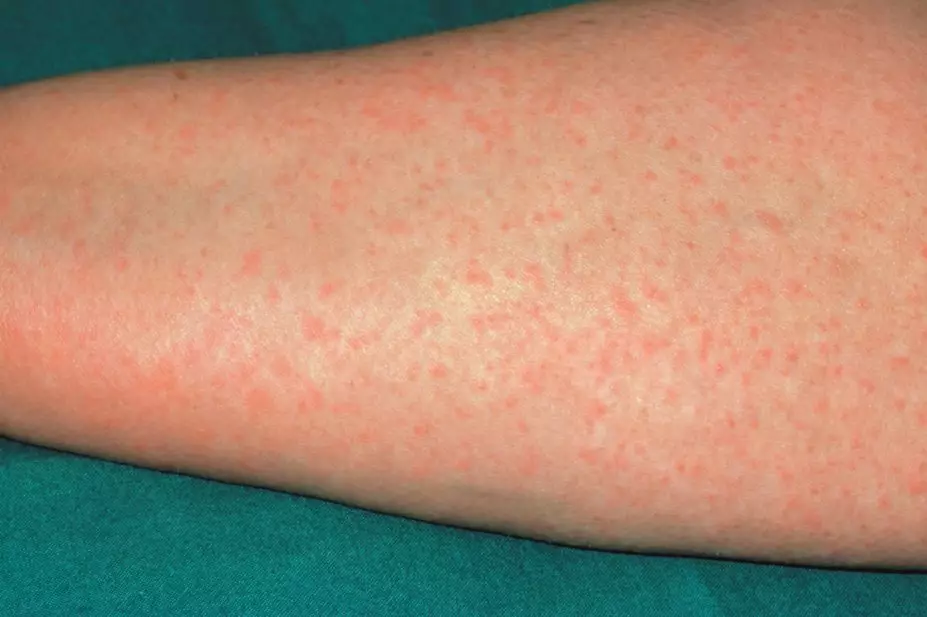
Penicillin Allergy Identification And Management The Pharmaceutical Journal
While still dangerous and often lengthy delayed reactions move more slowly and any life-threatening symptoms usually can be treated with antihistamines and steroids.
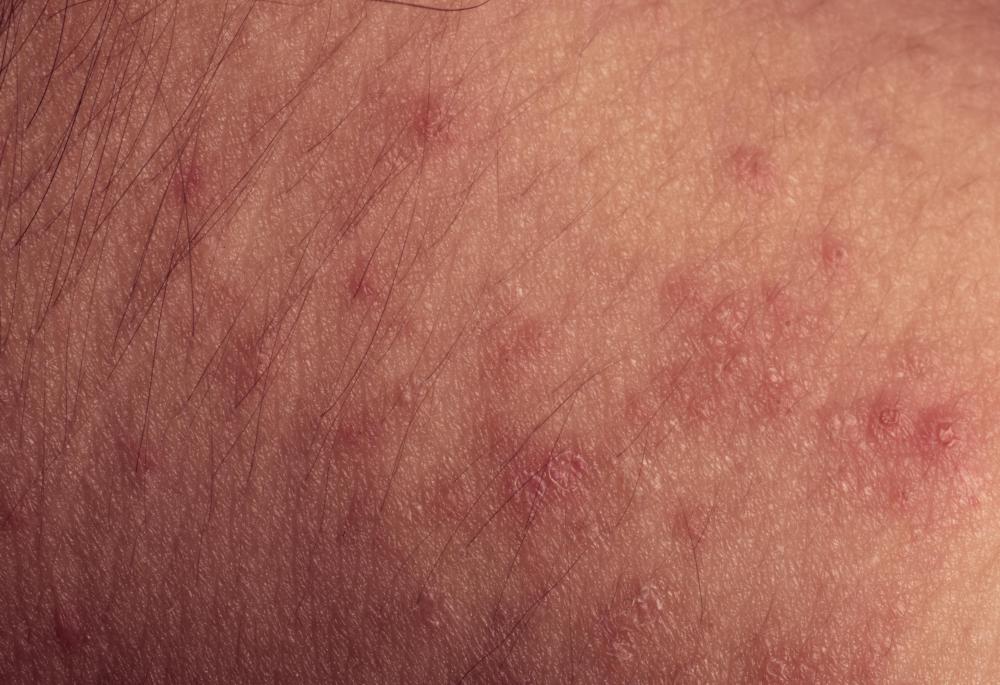
How to treat an allergic reaction to antibiotics. Non-cutaneous adverse reactions include thrombocytopenia 5. But severe cases would require administering epinephrine injections. You should check with your doctor before giving any more of the antibiotic just to rule out the.
Red man syndrome is a histamine-mediated reaction to the rapid infusion of vancomycin and is not an allergic reaction. How is an allergic reaction to an antibiotic treated. If you are experiencing a rash or hives caused by an allergic reaction calamine lotion may help soothe the itching and discomfort.
This reaction can be minimised by administering the drug slowly when given intravenously 12. Correspondence to Ralph Mösges University-Professor Dr Med. Allergic reactions to antibiotics in children are also similar to the ones mentioned above.
49 221 478 3456. Generally mild cases of allergic reaction can be treated with antihistamines. Just add a cup of oatmeal to a warm bath.
Antibiotics Reaction to In Allergic study children less than one year of age were found to have the highest rate of antibiotic side effects. Desensitization may be done after you have a reaction if you need to be treated with the antibiotic again. Allergic reactions account for the most common type of side effect with antibiotics.
Calamine lotion contains a mixture of calamine zinc oxide and other ingredients. It is helpful in the treatment management of rashes. The instructions differ according to the medications form.
49 221 478 3465. Current Opinion in Allergy and Clinical Immunology. Epinephrine is medicine used to treat severe allergic reactions such as anaphylaxis.
The best way to treat an allergic reaction depends on the cause though most minor cases can be treated with OTC antihistamine and anti-itch products. How is an allergic reaction to an antibiotic treated. Then there is the delayed reaction which can happen after the entire series of antibiotic has been consumed.
Anaphylactic shock is a very serious allergic reaction that needs immediate medical attention. Antihistamine is given to combat allergic reactions. Antihistamines decrease mild symptoms such as itching or a rash.
Dipl-Ing IMSIE Klinikum der Universitat zu Koln 50924 Cologne Germany Tel. If you are allergic to antibiotics you may be instructed by a doctor how to avoid triggers and if severe may instruct you how to use a self-administered adrenalin injection such as EpiPen. Antihistamine may be taken as a tablet capsule nasal spray or a liquid.
Soak in the bathtub for half an hour to alleviate the symptoms and ease the discomfort. Drug hypersensitivity syndrome is also seen with glycopeptides 513. Your healthcare provider will give you small doses of the antibiotic.
If your child has a rash other than hives you can also treat them with Benadryl if theyre itching. The Australasian Society of Clinical Immunology and Allergy recommends that for a severe allergic reaction adrenaline is the initial treatment. If you or anybody you know is having an antibiotic allergic reaction immediate medical help should be sought after.
Allergic reactions can typically only be prevented by avoiding the drug although. It could prove to be fatal if one is not stabilized and given appropriate medical care. Calamine and zinc oxide are both known anti-itch topical medications.
On experiencing any of the symptoms of an allergic reaction the intake of amoxicillin should be immediately discontinued and a physician should be consulted at the earliest. June 2006 - Volume 6 - Issue 3 - p 144-145. Allergic Reactions Anaphylaxis.
Stop antibiotic and take Benadryl diphenhydramine for a mild reaction like skin rash. Usually an allergic reaction to antibiotics happens as soon as the drug is administered and can cause serious health problems like cardiac arrhythmias anaphylaxis cutaneous eruptions and other complications with drugs. Take antihistamine medication like Benadryl 8.
They can develop bouts of diarrhea and abdominal discomfort as well. Antihistamines decrease mild symptoms such as itching or a rash. What do you do if you have an allergic reaction to antibiotics.
With more serious symptoms like trouble breathing - go to er immediately as you may need more intensive treatment.