What can I give my 1 year old for allergic reaction. For adults and children older than 12 years of age 25 to 50 mg of Benadryl 1 to 2 capsules is recommended every.
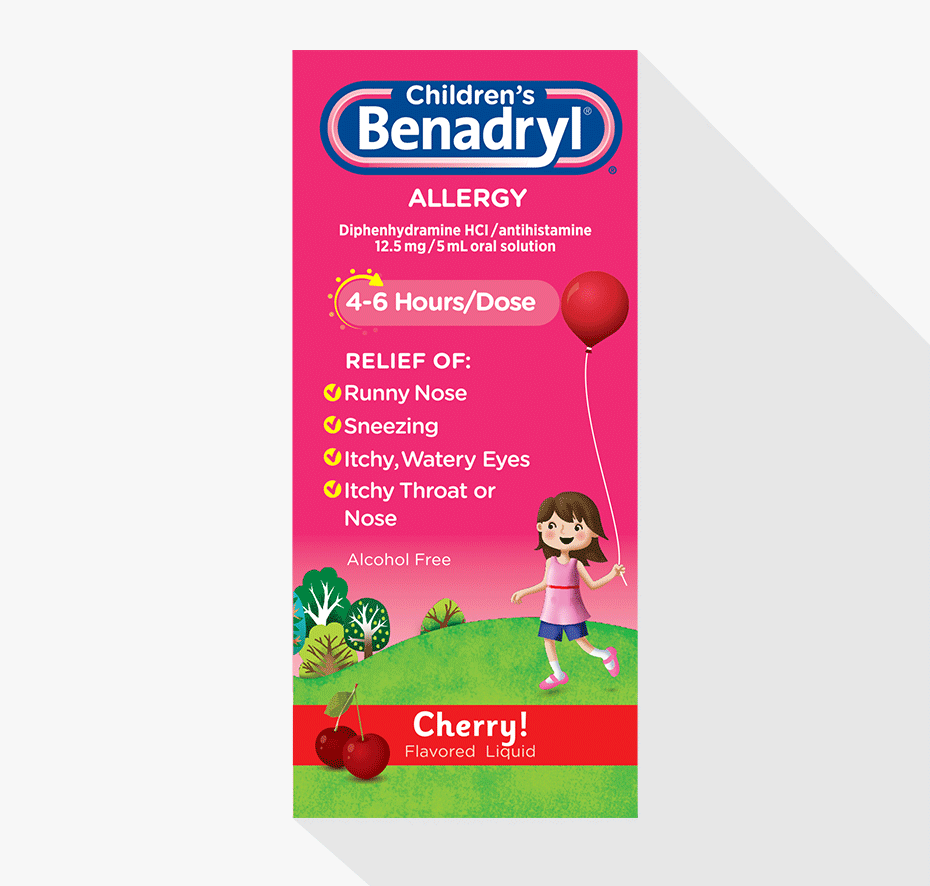
Children S Benadryl Allergy Liquid Benadryl
This is prescribed for children who have known food allergies or history of anaphylaxis to venom or other allergens.
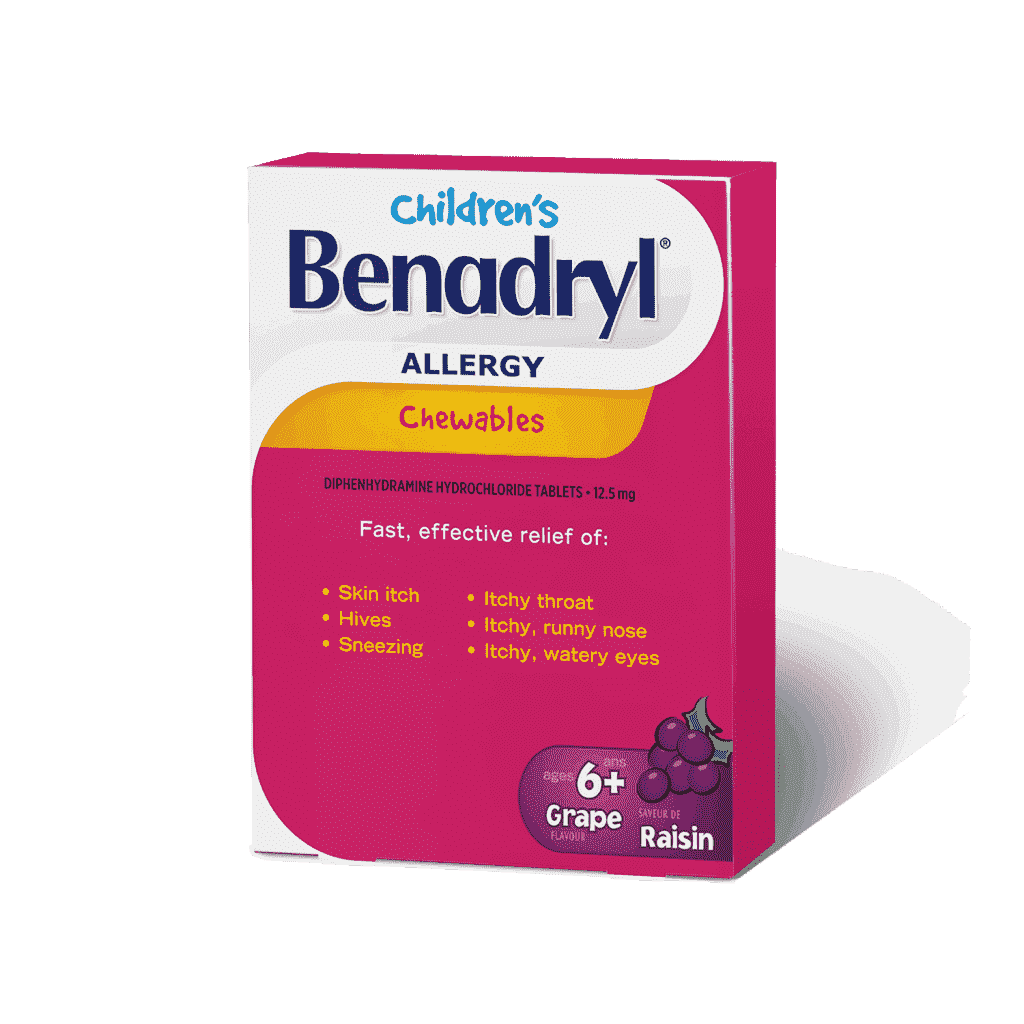
When to give baby benadryl for allergic reaction. Under close doctor supervision at the right age and in the right dosage Benadryl is safe for treating mild allergic reactions in babies. Recommended Usage for Benadryl In Babies. Many new parents are given advice from other parents or even doctors to have a bottle of Benadryl for kids on hand just in case of an allergic reaction.
And second toss your Benadryl. Sometimes people can safely give infants aged 2 to 5 small. But for all the other day-to-day reactions consider natural options including butterbur garlic stinging nettle rosemary and turmeric.
For allergies dont use under 1 year of age. No proven effects on cold symptoms. Your childs doctor may give you the green light to go ahead and try a dose of Childrens Benadryl if your child develops an allergic reaction to something.
If your doctor recommends it give your baby a childrens antihistamine like childrens Zyrtec. For colds not advised at any age. 25 to 50 mg every 4 to 8 hours.
Indications for Use Benadryl for Babies. For life-threatening reactions experts of course say stick with an epinephrine injection. Marlene1020 Taken for 10 years or more June 14 2018.
It causes most babies to be sleepy. Allergies can cause various rashes including eczema hives. Causes sleepiness and can depress respiratory rate Cold use.
If your child has allergies then you should talk to the pediatrician about the proper medication to use during a reaction. The adult dose is. You should only give a child Benadryl if your pediatrician tells you to.
However for mild symptoms such as rash or localized swelling without any breathing problems or other symptoms antihistamines can help. Benadryl works by blocking histamine a natural substance that the body makes during an allergic reaction. Talk to your doctor as soon as possible.
It also blocks another substance called acetylcholine which works to have a drying effect on watery eyes and a runny nose. 42 years experience Pediatrics. Just because Benadryl is the oldest antihistamine doesnt make it the best one to use when you have an.
Benadryl or Zyrtec is only recommended for infants who are having a mild reaction such as localized hives or redness. But according to allergists the medication shouldnt be used at all to treat allergy symptoms such as itchy eyes sneezing or hives because itand other first-generation antihistaminespose unnecessary risks to your childs health. These side effects include rapid heartbeat and convulsions.
Benadryl is generally not safe to give to babies or infants under 2 years old at home. For so many years people have thought that they should take Benadryl for allergic reactions. Because Benadryl is an antihistamine it can cause serious or even fatal side effects in infants.
Only Infants Under 6 Months. First line treatment of any severe rapidly progressive allergic reaction anaphylaxis is ALWAYS self-injectable epinephrine. And if your child has an allergic reaction and you do not have any doctor-approved medication on hand contact a doctor immediately.
Closely monitor your baby for signs of a severe allergic reaction. If your child is having trouble breathing experiencing swelling of parts of the body or is unconscious call an ambulance. Uncommon childhood allergies include anaphylactic reactions to bee stings certain medications and other allergens.
But Benadryl is generally not safe to give to a child under 2 years at home unless your doctor explicitly recommends a dosage. Never give to babies less than 1 year old without doctor supervision. My teenage son would take 1 before going to bed so he could sleep without allergic reactions.
Research has shown that Benadryl is effective at treating mild allergic symptoms like hives and itching but newer antihistamines are more effective provide longer symptom relief and wont cause drowsiness. Allergic reactions are common in babies and may occur as a result of irritants bug bites certain foods or underlying skin conditions. Do not use under 4 years of age for cold symptoms.
Ive used this and given it to my children for over 20 years. After all a mild to moderate reaction could quickly turn severe. Ive used it for unknown allergies like bee stings and sunless tanner.
In some allergic reaction emergencies your doctor may recommend giving your child Benadryl on the way to the hospital. Benadryl or Zyrtec will not stop anaphylaxis from happening. An integrative medicine doctor can help you figure out which ones are right for you.
Its common to get Benadryl in the ER when you are having an allergic reaction and when people go to the drugstore they think Benadryl is the best antihistamine to take to help alleviate their allergies.
A five pound Chihuahua should receive 5 milligrams while a 120 pound Great Dane should receive 120 milligrams. Benadryl or diphenhydramine is an antihistamine that helps relieve the symptoms of allergies in both humans and animals.

5 Things Dog Owners Should Know About Giving Benadryl To Dogs Dog Benadryl Dog Allergies Dog Remedies
Lots of dog owners view Benadryl as an easy fix for various problems.
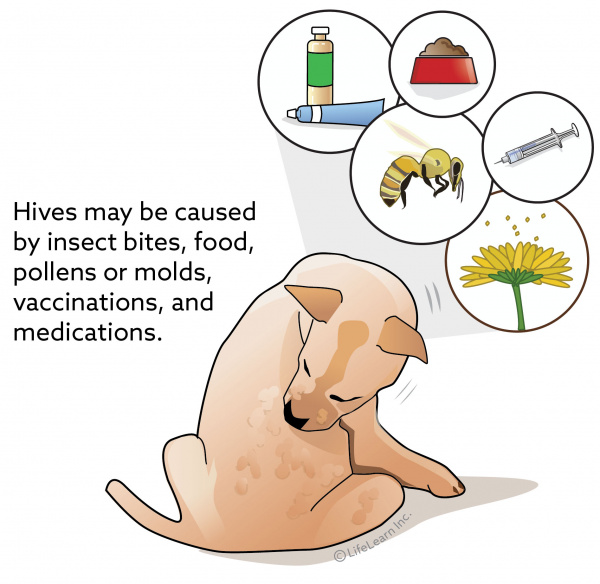
Dog allergic reaction treatment benadryl. You may also notice signs of fleas such as flea dirt or even. Of course the best dog allergies treatment is to consult your veterinarian the first time the symptoms appear and discuss with him the. Diphenhydramine is a milder form of the popular over-the-counter antihistamine medication and many vets recommend it for a dog with allergies or when a bee stings a dog.
If you give your dog Benadryl for itching associated with a food allergy it will only treat the symptoms for a short time. With mild allergic reactions you can consult your veterinarian about just treating with Benadryl at home make sure the Benadryl doesnt have any added other ingredients. Benadryl only hides the problem temporarily.
What Conditions Does Benadryl Treat in Dogs. It also eases the symptoms of allergies including sneezing watery eyes itchy skin and runny nose. The dose of Benadryl is typically 1 mg per pound of weight of your dog so a 50 pound dog would get 50 mgs of Benadryl.
Benadryl is a great medication for use in dogs with mild-to-moderate allergies. If your dog is reacting to a flea bite Benadryl can calm the reaction down while you work to remove the fleas. It can also be used to relieve the symptoms of motion sickness if a dog.
Regular strength pills contain 25 mg but smaller dogs may be better suited to childrens Benadryl which contains smaller amounts of. Talk to your pharmacist for more details. Baby Benadryl generic name.
Your vet may also use it to treat more specific allergic reactions such as. One milligram of the medication should be used for every pound the dog weighs. It can provide your dog temporary relief for allergic reactions caused by bee stings insect bites vaccinations snake bites and can provide relief if your dog is itching because of a flea allergy or food allergy.
Benadryl can be helpful if your dog has any of these symptoms. It works well for mild allergic reactions such as an insect bite or sting. Diphenhydramine Diphenhydramine is usually given to dogs at a dose of 1 mglb body weight every 8 hours but from time to time a dose of 2 mglb is used instead.
This product may contain inactive ingredients which can cause allergic reactions or other problems. Therefore Benadryl is not potent enough for acute allergic reactions manifested with facial swelling and impaired breathing. Sneezing or coughing Stuffy or runny nose Asthma or Allergies.
But the problem is. Seasonal allergies food allergies environmental allergies and allergic reactions to snake and insect bites all. Lets get into some detail.
So whether your furry friend is allergic to skin pollutants or its body cant handle some food. Benadryl is an over-the-counter medication so it doesnt require a veterinary prescription. Benadryl is an antihistamine with the active ingredient diphenhydramine.
In the event that your veterinarian deems it a safe therapy for your dog Benadryl is often prescribed to treat mild to moderate canine allergies such as seasonal hay fever since it inhibits histamine release and mucus production. Benadryl is an antihistamine that also works as a mild sedative to help ease anxiety. It is most effective when used under the direction of your veterinarian for allergic reactions and mild allergy symptoms such as itching and sneezing.
If your dog is continually itching it is likely an allergic reaction. Types of Dog Allergies. Recently more and more veterinarians are adding Benadryl to the combination of drugs used in the treatment of tumors.
This makes affected dogs extremely itchy especially at the base of the tail and their skin may become red inflamed and scabbed. Benadryl works on dogs and humans in the same way but different doses are required. As we discussed in the allergy section Benadryl is useful for treating acute short-term allergies.
On top of Benadryl being used for allergies Benadryl can be used to alleviate motion sickness during car and plane rides and to achieve mild sedation. And its not safe. The most common way to spot your pups allergic reaction is by closely examining the skin as canines have a much higher count of histamine-releasing cells there.
Benadryl can help ease the swelling and itchiness that often accompany insect bites. Benadryl can help treat and prevent allergic reactions in dogs. Benadryl is commonly used in dogs for certain medical conditions.
It can also be used for more long-term allergies but has varying results. Since allergies come in many forms your dogs reaction might not be easy to define. Youll see people on social media advising give her Benadryl It could be for a dog with hives separation anxiety or fear of thunder.