Signs of an Allergic Reaction While most people will only deal with some pain and swelling after a bee sting others might go into anaphylaxis otherwise known as an allergic reaction. Bee stings are common especially if you spend plenty of time outdoors.

What Do I Do If My Child Is Stung By A Bee Or Wasp Babycenter
Monitor for Signs of an Allergic Reaction Nearly everyone even people without a bee sting allergy will experience symptoms of pain redness swelling and itching at the site of the sting.

Signs of allergic reaction to bee sting in child. While these symptoms may be painful they will most likely resolve in a few hours. Remove the stinger wash. Allergic reaction is going to create symptoms away from the injection site so if youre stung on your leg but if you have hives on your hands or your other leg or on your body thats an allergic reaction.
Give the epinephrine auto-injector right away. Sometimes symptoms disappear and return. Pain or itching at the site of the sting a white spot where the stinger punctured the skin redness and slight swelling around the sting Severe allergic systemic symptoms of a bee sting include.
Your childs allergic reaction to a bite can worsen over two to three days. 17 of children untreated for their bee sting allergy experienced another allergic reaction as an adult. These symptoms are not dangerous and can be treated as outlined below.
A study followed up with children who experienced a bee sting allergic reaction. Studies suggest that 1 of children and 3 of adults have life-threatening allergic. This severe reaction to bee stings happens in 4 out of a 1000 children.
Call 911 immediately if you notice these signs of an allergic reaction within a few minutes or hours of the sting. If your child starts having serious allergic symptoms like throat swelling or trouble breathing. In contrast only 3 of children treated with venom immunotherapy experienced a second reaction.
Hives will develop on the face and body followed by other symptoms such as headache dizziness fainting nausea vomiting and difficulty breathing and swallowing. A severe allergic reaction anaphylaxis to bee stings is potentially life-threatening and requires emergency treatment. Allergic reactions can range from hives to trouble breathing to swelling to low blood pressure to even death.
This is called anaphylactic shock and it can be deadly. There are roughly 40 fatal allergic reactions to bee wasp and other insect stings in the US. The area might be red for up to three days and swollen for up to a week.
Its when reactions are seen in other parts of the body that you need to be concerned about venom allergy. It starts within 2 hours of the sting. Children experiencing these reactions are not thought to be significantly at risk of future life-threatening reactions compared to others.
If your child has been diagnosed with an insect sting allergy always keep two epinephrine auto-injectors on hand in case of a severe reaction. The minor and inconvenient symptoms you may experience at the sting site are. The main symptoms are hives with trouble breathing and swallowing.
So if you have a child whos. Signs and symptoms of anaphylaxis include. Swelling can increase for the next 48 hours.
Significant hives or itchiness away from the sting site. Swelling of the skin lips throat tongue or face. If your child has been bitten or stung by an insect they may have.
On rare occasions a child will have a severe allergic reaction to a sting. Nonallergic children might have symptoms that disappear soon after the sting or last a few hours to days. Swelling of the tongue or throat.
A minor skin reaction with a painful itchy lesion at the site of the bite or sting. When your child is stung the first thing you should do is remove the stinger. Shortness of breath swelling in the tongue and throat rashes or hives dizziness and loss of consciousness can all be signs of a dangerous allergic reaction.
Fiedler advises that you monitor your child for signs of reaction unconnected to the site of the sting. However in older children and adults such reactions are considered to be a risk factor for a future severe reaction. Symptoms include an all over rash swelling of tongue or throat trouble breathing abdominal pain diarrhoea vomiting and a drop in blood pressure shock.
Anaphylactic reaction to a bee sting can start within two hours of the incident and rapidly progress. The symptoms of insect bites or stings can vary a lot depending on how sensitive your child is to that insect. A small percentage of people who are stung by a bee or other insect quickly develop anaphylaxis.
If this if your childs first time being stung by a bee and he or she shows the symptoms of allergy swelling rash inability to breathe seek emergency assistance call 9-1-1 immediately. Skin reactions including hives and itching and flushed or pale skin. Moderate Bee Sting Allergic Reaction Symptoms.
These reactions are characterised by skin swelling and hives red raised itchy rash in an area of skin remote from the sting. After a sting Dr. After a bee sting some children just develop hives all.
A severe life-threatening allergic reaction is called anaphylaxis. Anaphylactic Reaction to the Sting. Care for this injury as you would any other minor burn or scrape at home.
Allergies to venoms from stinging insects bees wasps and ants are one of the most common causes of severe allergic reactions anaphylaxis in Australia. Every second counts in. Common Bee Sting Symptoms.
After a few days a spotty rash appears on the head or neck and spreads to the rest of the body. Itchy neck treatment Often an itchy neck rash can be handled with self-care such as.

How To Cool Down Your Child S Heat Rash Cleveland Clinic
Thats why weve outlined the most common rashes for easy reference.

Rash on front of neck child. The spots can appear red or brown but they may be less noticeable on brown and black skin. It occurs when the sweat ducts in the outer layer of skin epidermis are obstructed. Diaper rash Kids health Toddler health.
The rash which fades within hours and lasts only a day or two appears when your childs temperature returns to normal. This happens when normal yeasts that live in and on our bodies grow a bit more than they should. Call a GP if you think your child has measles.
Sometimes a babys neck rash may be caused or worsened by a yeast infection. The rash may form. On the trunk spreading to the face neck and limbs.
With so many different types of rashes its tricky to know which is which and how to treat them. Christmas tree rash pityriasis rosea is a fine itchy scaly rash that usually appears first as a single patch on the chest abdomen or back. Rash with itching Rash caused by heat.
If your child has a rash of small bright-red or purple spots or bruises that do not turn white blanch when you push on them along with a fever headache stiff neck or back pain seek medical advice immediately from your GP or nearest hospital emergency department. Roseola which means sudden rash crops up most commonly between six and 24 months of age. See our fact sheet Meningococcal infection.
A heat rash miliaria or prickly heat is one type of environmental factor that can cause a skin rash. This rash herald patch may spread as small patches to other parts of the back chest and neck. A host of different environmental factors can also affect the skin on the front of the neck thereby leading to a rash.
Over-the-counter OTC anti-itch lotions moisturizers such as Cetaphil Eucerin or CeraVe cooling creams or. You can get a heat rash anywhere on your body but the face neck back chest or thighs are most often affected. Sunburn is another common cause as.
It is an itchy rash of small raised red spots that causes a stinging or prickly sensation on the skin.
Mild or moderate allergic reactions can happen after your baby touches swallows tastes eats or breathes in something theyre allergic to. Though rare sometimes symptoms can be severe and are called anaphylaxis and can be life-threatening.
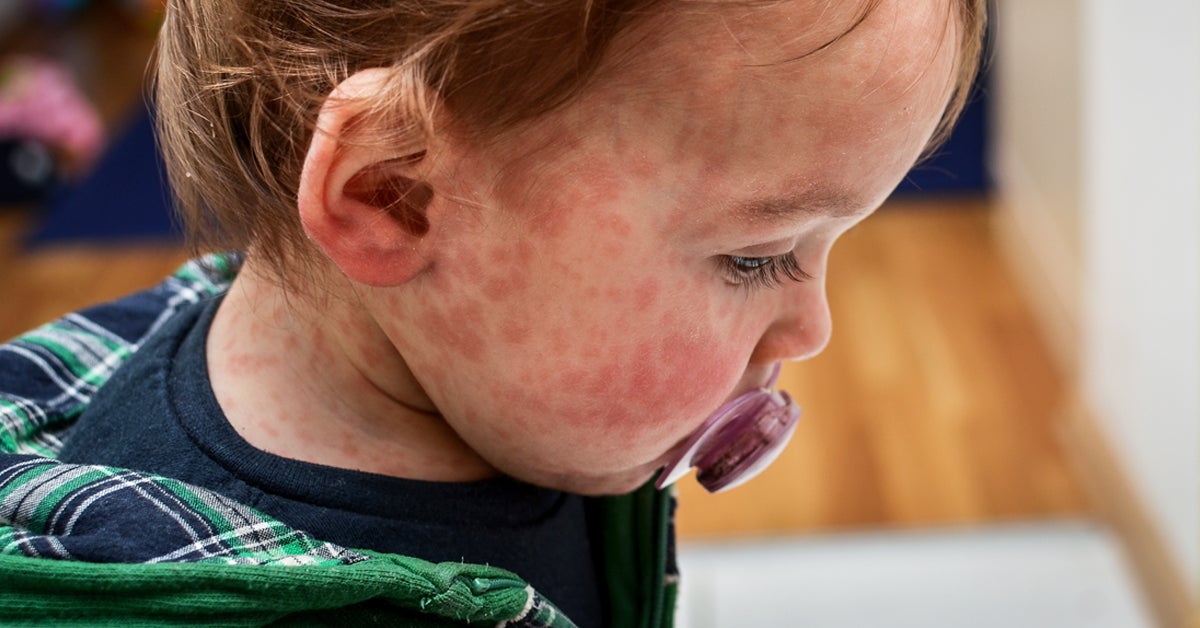
Baby Allergic Reaction To Food Signs And Symptoms
Symptoms of an immediate food allergy are usually mild to moderate.

Signs your child is allergic to food. Severe symptoms require immediate medical attention. Another symptom of a food allergy is your child having stomach problems every time they eat a certain food. If your baby is severely allergic symptoms usually develop right away.
If a child develops a sore or itchy throat vomiting diarrhea hives or trouble breathing within 30 to 60 minutes of eating it could be a food. Congestion runny nose cough. You can also get more advice here or talk to your doctor.
Symptoms of an immediate food allergy. If your child experiences any of these signs when eating speak to your pediatrician. If your child vomits every time they have strawberries for instance that could indicate a food allergy or food intolerance.
Most children with food allergies have mild reactions. Itchy throat and tongue. Wheezing and shortness of breath.
What Are Signs That My Child Has a Food Allergy. At that time when IgE antibodies react with the food. The signs of an allergic reaction that parents should look our for can be seen below.
More mild symptoms of food allergies include sneezing coughing eczema diarrhea and an itchy mouth. Before having a food allergy reaction a sensitive child must have been exposed to the food at least once before or could also be sensitized through breast milk. Itchy skin or rash.
What Are the Symptoms of Food Allergy in Babies and Children. Because children with food allergies are more likely to develop asthma and other allergies it is important to have your child tested for allergies if he experiences a reaction to a certain food. Symptoms of a mild allergic reaction to food include.
Any sort of nausea or vomiting diarrhea or abdominal pain are all red flags. Runny or blocked nose. If any signs or symptoms of a food allergy occur consult with your childs doctor for evaluation as soon as possible.
Tingling or itchiness of the. Mild to moderate symptoms typically affect the skin the respiratory system and the gut. It is the second time your child eats the food that the allergic symptoms happen.
Signs of baby food allergies. Occasionally foods can cause a severe allergic reaction. Avoid foods if youre not sure whether they contain the food your child is allergic to.
If your baby has an allergic reaction to something he eats symptoms may appear within minutes or develop hours later. The most common food allergy signs and symptoms include. An allergist or immunologist can examine your child and order a skin or blood test to determine whether the reaction is a food allergy a food intolerance or something unrelated.
Swollen lips and throat. Mild to moderate reactions In babies and young children the two most common signs of a food allergy reaction are. How you can tell if your child has a food allergy.
When your little one eats a food that theyre allergic to it could upset their digestive system in some major ways. How to tell if your child has a food allergy. There is no evidence that waiting until the baby is older prevents food allergy.
If you believe your baby has an allergic reaction to a food such as diarrhea rash or vomiting talk with your. Sore red and itchy eyes. Tingling or itching in the mouth Hives itching or eczema.
The symptoms of food allergy mostly occur within a few minutes to an hour of eating. And if your baby experiences any severe reactions like difficulty breathing swelling severe vomiting or diarrhea call 911 immediately. A child with a food allergy will develop one or more of the following symptoms within a few minutes to an hour after eating the food.
Food allergy symptoms usually develop within a few minutes to two hours after eating the offending food. Signs of an allergic reaction include. A flushed face hives a red and itchy rash around the mouth tongue or eyes.
However if the baby is sleeping well and still getting puffy and swollen eyes it can be a case of allergic reaction to formula food or to other kinds of allergy triggers.
This potentially life-threatening reaction causes skin to blister and peel off. There is always an antibiotic that a patient can take Two types of tests are available to determine if you might be allergic to penicillin or cephalosporins.
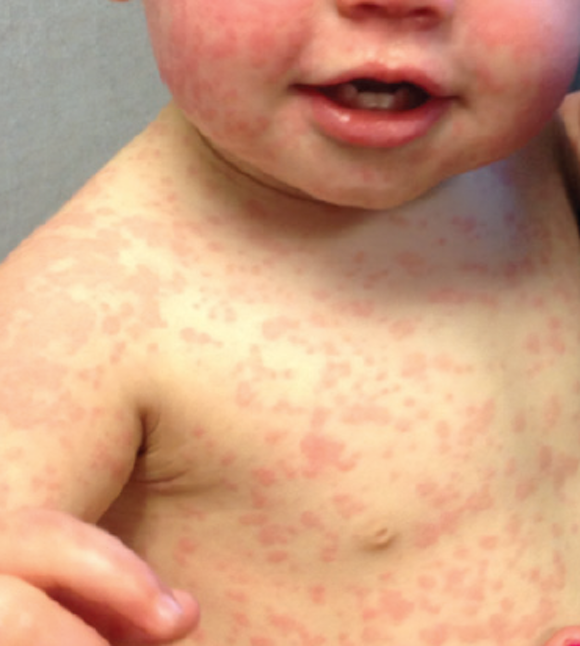
Health Spotlight Antibiotic Allergies In Children Are We Mislabeling Many Of Them
Parents should watch the symptoms closely and should find out whether their child is allergic to antibiotics.

How do you know if your child is allergic to antibiotics. The pediatrician switches the antibiotic prescription and writes reaction to penicillin or allergic to penicillin on the childs medical chart. If You Suspect That Your Child Has Allergies. If your child develops hives which are raised itchy white or red bumps on the skin that appear after one or two doses of the medicine they may be allergic to penicillin.
You know what they found when they did tests on the children. A severe allergic reaction is a medical emergency requiring immediate medical attention. A more severe allergic reaction called anaphylaxis is a life-threatening medical emergency that.
Consult a physician if you notice a reaction and get your medication changed if following a particular treatment course is important to your. However not all rashes are considered allergic reactions. Some drug allergy signs such as rashes may not.
Many times the reaction the parent reported are not consistent with true allergy according to research published in the Annals of Allergy Asthma Immunology. Most of the time two or three medications are responsible. This may be an allergic reaction.
Although they likely have an allergy warning in the childs. Wheezing tightness of the throat and trouble breathing are common symptoms of an allergic reaction to antibiotics. Mild allergic reactions may only result in a skin rash or itch.
Patients can be allergic to multiple medications but that is rare says Dr. A skin test and graded challenge. The antibiotics most likely to cause an allergic reaction.
F rom then on that child will. The airway leading to your childs lungs can become narrowed and his lungs ability to process oxygen may be impaired. You may need to call triple zero 000 and perform first aid.
An antibiotic medication allergy is a harmful reaction to an antibiotic. If you notice your. Tell your childs doctor if you see a rash that looks like hives red welts.
Allergic reactions to antibiotics must not be ignored. The reaction can start soon after you take the medicine or days or weeks after you stop. Swelling of the tongue and throat can cause breathing difficulty and wheezing in your infant.
Sometimes a rash will occur during the time a child is taking an antibiotic. 1 Always tell your doctor of any previous allergic reaction to any medication including antibiotics. It is recommended to see your childs doctor so that a diagnosis can be made or a referral sent to an allergistimmunologist for specialized allergy.
Symptoms of a food or medicine allergy may appear within a few minutes or an hour or two later. Listen If you are allergic to antibiotics you get signs and symptoms like a rash swelling of the face or difficulty breathing. Antibiotic allergies or hypersensitivity reactions are some of the most common side effects of antibiotics leading to emergency room admission.
WHAT TO DO IN CASE OF RASH. Other reactions to sulfa drugs include headache trouble sleeping cloudy urine crystalluria and low blood counts. This will aid in future decisions on which antibiotic to use.
Many people who think theyre allergic to antibiotics just tend to have severe side effects. A severe allergic reaction is known as anaphylaxis and usually occurs within an hour of taking an antibiotic. But sometimes people have an allergic.
If your child is experiencing any of the above signs or symptoms he or she may have allergies. The child later develops a symptom a rash an upset stomach or a headache and a doctor declares them allergic to penicillin. You need your medicine to manage your health.
First you should check with your pediatrician to be sure your child is truly allergic. You may have an allergic reaction the next time. Your immune system may become sensitive to the antibiotic the first time you take it.
Make sure you let your childs doctor know if your child has had a reaction to antibiotics in the past. Healthcare providers cannot know ahead of time if you will have an allergic reaction. Also your child may have taken the antibiotic and not had a reaction before and then suddenly has a reaction the next time he takes it.
The child is deemed allergic to penicillin without ever undergoing a penicillin test. These low-risk symptoms included rash itching vomiting diarrhea runny nose and cough. They can make a huge difference in your life.
Remind your pediatrician if your child is allergic to penicillin whenever you get a prescription. Since it is important to know if your child is allergic to a particular antibiotic we suggest you let your doctor see the rash. Although an allergic reaction may be triggered within minutes to hours of taking a dose of penicillin it may take days or weeks for an antibiotic to trigger hives in your child.
They also included children whose parents said they were allergic because of a family history of allergy.